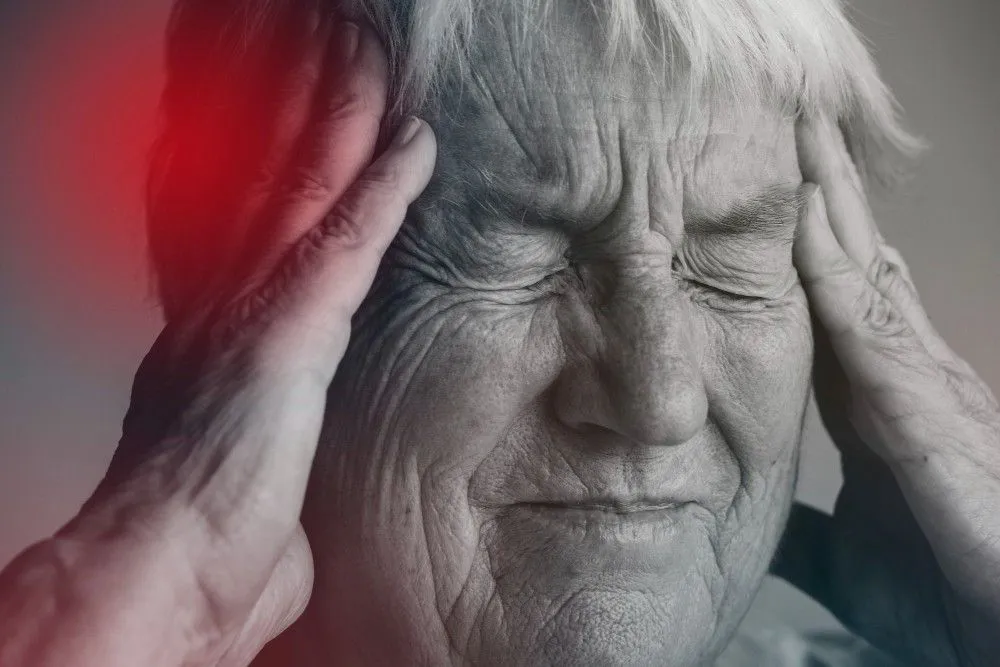
His cholesterol numbers had been elevated for fifteen years. His doctor mentioned it at annual physicals, suggested dietary changes, and occasionally brought up statins. But he felt fine, no chest pain, no shortness of breath, no symptoms whatsoever. Then, at 58, he lost the ability to speak mid-sentence. The stroke that silenced him had been building silently in arteries clogged by the cholesterol he'd spent years ignoring.
The Silent Arterial Invasion
Cholesterol doesn't announce its damage. Unlike conditions that cause pain or discomfort, elevated cholesterol quietly deposits fatty plaques inside artery walls year after year, decade after decade. By the time symptoms appear, catastrophic blockages have already formed.
The process begins when LDL cholesterol, the "bad" cholesterol, penetrates arterial walls and triggers inflammatory responses. White blood cells arrive to address the invasion, engulf the cholesterol, and transform into foam cells that accumulate within the vessel wall. Layer upon layer, plaques grow and harden.
Furthermore, cerebral arteries prove particularly vulnerable. The vessels supplying the brain have smaller diameters than coronary arteries, meaning equivalent plaque buildup causes proportionally greater obstruction. Plaques that might reduce cardiac blood flow by 30% can reduce cerebral blood flow by 50% or more.
"Patients often focus on cholesterol's heart effects while underestimating what's happening in their brain arteries," explains Rab Nawaz, MD, board-certified neurologist at MyMSTeam. "I see stroke patients every week whose carotid arteries are severely narrowed by cholesterol plaques, 70%, 80%, sometimes 90% blockage, who had no idea until stroke occurred. The brain doesn't give warning signs like the heart sometimes does. There's no 'brain angina' signaling progressive blockage. The first symptom is often the stroke itself."
The Rupture Catastrophe
Stable plaques narrow arteries gradually, but unstable plaques cause sudden catastrophe. Understanding this distinction explains why some people with moderate cholesterol elevations have strokes while others with higher levels don't.
Plaque stability depends on composition. Plaques with thick fibrous caps containing more calcium remain stable, gradually narrowing vessels over the years. Plaques with thin caps, large fatty cores, and active inflammation can rupture suddenly, triggering immediate clot formation.
When plaques rupture, the body responds as it would to any injury, with clotting. But clots forming inside the arteries block blood flow entirely. In seconds, a vessel that was 50% open becomes completely occluded. Brain tissue downstream begins dying within minutes.
Also, cholesterol-driven inflammation extends beyond individual plaques. Elevated LDL promotes systemic inflammation that destabilizes plaques throughout the vascular system. This explains why cholesterol reduction helps even plaques that have already formed; it shifts them toward stability.
Beyond the Numbers
Standard cholesterol panels measure LDL, HDL, and triglycerides, but these numbers tell incomplete stories about stroke risk. Emerging understanding reveals why some people with "normal" cholesterol still develop dangerous plaques.
Keep in mind that particle number matters alongside particle size. Two people with identical LDL levels may have dramatically different numbers of LDL particles. More particles mean more opportunities for arterial penetration and plaque formation.
Lipoprotein(a), an inherited cholesterol variant, dramatically increases stroke risk but isn't measured in standard panels. Up to 20% of the population carries elevated Lp(a), many unaware despite its profound vascular implications.
HDL cholesterol, traditionally considered protective, shows more complex relationships with stroke than previously understood. Very high HDL levels may not provide additional protection and, in some cases, correlate with increased risk.
"We're moving beyond simple LDL targets toward comprehensive vascular risk assessment," explains Abdullah Boulad, Founder and CEO of The Balance Rehab Clinic. "Patients need to understand their complete lipid profile, including particle characteristics and inherited factors that standard tests miss. Someone with 'borderline' LDL but elevated Lp(a) and inflammatory markers may face a higher stroke risk than someone with higher LDL but favorable particle characteristics. Personalized assessment enables personalized prevention."
The Statin Question
Statins remain the most effective medications for cholesterol reduction and stroke prevention, yet hesitancy about taking them persists despite overwhelming evidence of benefit.
Take note that statins provide benefits beyond cholesterol reduction. They stabilize existing plaques, reduce inflammation, and improve endothelial function, the arterial lining's ability to regulate blood flow. These "pleiotropic" effects contribute significantly to stroke prevention.
Side effects, while real for some patients, affect fewer people than commonly believed. Muscle symptoms occur in approximately 5-10% of users, and most can be managed through dose adjustment or switching between different statins.
The risk-benefit calculation strongly favors treatment for those with elevated cardiovascular risk. Statin therapy reduces stroke risk by approximately 25-30%, a substantial protection that few lifestyle modifications can match.
Prevention Before Crisis
Cholesterol management works best when started before plaques become dangerous. The arterial damage accumulating in middle age determines stroke risk decades later.
Plus, early intervention prevents plaques from forming rather than trying to stabilize plaques already present. Young adults with elevated cholesterol benefit from early treatment even though their near-term risk is low, they're protecting their future brain.
Lifestyle modifications provide foundational benefit. Dietary changes, exercise, and weight management improve cholesterol profiles and reduce inflammation. For many people, lifestyle changes alone achieve adequate control.
When lifestyle proves insufficient, medication shouldn't be viewed as failure. Adding pharmacotherapy to lifestyle modification provides additive protection. The combination of healthy living plus appropriate medication optimizes outcomes.
The cholesterol silently building in your brain arteries today determines whether stroke silences you tomorrow. The time to act is before symptoms make the danger undeniable.

كُتب بواسطة