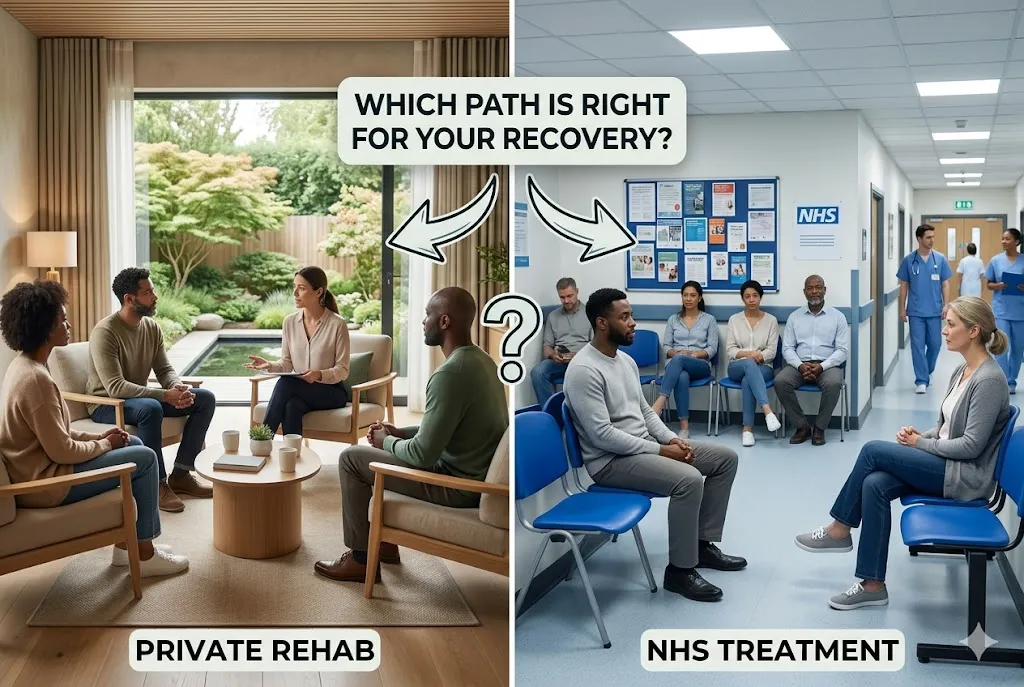
Trauma-Informed Mental Health Therapy NJ focuses on understanding how past experiences shape the way people think, feel, and respond to everyday life.
Unlike traditional counseling, which often centers on current symptoms, this approach asks a deeper question: “What happened to you?” instead of “What’s wrong with you?”
That shift changes everything for someone who has carried silent pain for years.
It creates a space where people feel seen, not judged.
And for many, that is the first step toward real healing.
I remember speaking with someone who had tried therapy three different times before.
They said each session felt like they were being analyzed instead of understood.
But when they entered a trauma-aware therapy environment, something shifted.
For the first time, they felt safe enough to talk about what they had been avoiding for years.
That sense of safety is not accidental.
It is built into every part of the process.
To learn more about how this approach works in real life, explore this resource on Trauma-Informed Mental Health Therapy NJ.
It provides insight into how therapy can be adapted to support people dealing with anxiety, depression, and past trauma.
Understanding Trauma Through a Different Lens
What Trauma Really Looks Like
Trauma is not always a single dramatic event.
It can come from ongoing stress, childhood experiences, or situations that made someone feel unsafe or powerless.
Some people carry trauma from neglect, emotional abuse, or unstable environments.
Others may have experienced accidents, loss, or sudden life changes.
What matters is not the event itself, but how the body and mind respond to it.
A person may appear fine on the outside while struggling internally with anxiety, hypervigilance, or emotional shutdown.
Trauma-informed care recognizes these patterns without labeling them as flaws.
It sees them as adaptive responses that once helped someone survive.
How the Body Remembers
Many people do not realize that trauma is stored in the body, not just the mind.
You might notice it in tight shoulders, a racing heart, or difficulty relaxing.
Even when there is no immediate danger, the body can react as if there is.
This is why someone might feel overwhelmed in situations that seem harmless to others.
Trauma-informed therapy works with both the mind and body to help release these responses.
It focuses on grounding techniques, emotional regulation, and building awareness.
This helps people regain a sense of control over their reactions.
How Trauma-Informed Therapy Differs from Traditional Counseling
Safety Comes First
Traditional counseling often begins with exploring thoughts and behaviors.
Trauma-informed therapy begins with safety.
Without safety, the brain cannot fully process or heal.
Therapists prioritize creating an environment where clients feel respected, heard, and in control.
This includes allowing clients to set the pace of sessions.
No one is pushed to share before they are ready.
That alone can make therapy feel less intimidating.
Collaboration Instead of Authority
In many traditional settings, the therapist is seen as the expert.
In trauma-informed care, the client is the expert on their own experience.
Therapy becomes a partnership rather than a hierarchy.
Clients are encouraged to share feedback and guide the direction of sessions.
This collaborative approach helps rebuild trust, especially for those who have felt powerless in the past.
Focus on Triggers and Patterns
Instead of just addressing symptoms, trauma-informed therapy looks at underlying triggers.
Why does a certain situation cause anxiety?
Why does the body react so strongly to specific people or environments?
Understanding these patterns allows for deeper healing.
It helps clients recognize their responses without shame.
Over time, they learn how to respond differently.
Real-Life Experiences That Show the Difference
Breaking the Cycle of Anxiety
One person described how they would panic every time they received a phone call.
They could not explain why.
In traditional counseling, they were told to challenge their thoughts.
But it never fully worked.
In a trauma-informed setting, they explored their past and discovered a link to stressful phone conversations during childhood.
Once they understood the root, the reaction started to make sense.
From there, they learned grounding techniques that reduced their anxiety over time.
Learning to Trust Again
Another individual struggled with trust in relationships.
They would pull away whenever someone got too close.
At first, it seemed like commitment issues.
But through trauma-aware therapy, they uncovered past experiences of betrayal.
The therapy focused on building emotional safety first.
Slowly, they began to recognize safe connections.
That shift allowed them to form healthier relationships.
The Role of Emotional Regulation
Why Emotions Feel Overwhelming
Trauma can disrupt the brain’s ability to regulate emotions.
This is why small situations can trigger big reactions.
A minor disagreement might feel like a major threat.
A simple mistake might lead to intense self-criticism.
These responses are not signs of weakness.
They are learned survival mechanisms.
Tools That Actually Help
Trauma-informed therapy introduces practical tools for managing emotions.
These include breathing exercises, grounding techniques, and mindfulness practices.
For example, focusing on your surroundings can help bring you back to the present moment.
Some people use sensory techniques, like holding ice or noticing sounds in the room.
These strategies help calm the nervous system.
Over time, emotional responses become more manageable.
Building a Sense of Control
Reclaiming Personal Power
One of the most important aspects of trauma-informed care is restoring a sense of control.
Many people who have experienced trauma feel like they have lost control over their lives.
Therapy helps them rebuild that sense of agency.
Clients are encouraged to make choices about their healing process.
Even small decisions can make a big difference.
Choosing what to share, when to pause, or how to approach a topic can be empowering.
Setting Healthy Boundaries
Learning to set boundaries is another key part of healing.
Many individuals with trauma struggle to say no or prioritize their needs.
Trauma-informed therapy teaches that boundaries are not selfish.
They are necessary for emotional well-being.
Over time, clients learn to communicate their limits with confidence.
This leads to healthier relationships and less stress.
Why This Approach Matters in New Jersey
A Growing Need for Specialized Care
Mental health awareness is increasing, but many people still feel misunderstood in traditional therapy settings.
Trauma-informed care addresses this gap by focusing on the whole person.
It recognizes that symptoms are often rooted in deeper experiences.
This approach is especially important for individuals dealing with anxiety, depression, or PTSD.
A Path Toward Lasting Healing
Healing from trauma is not about forgetting the past.
It is about changing how the past affects the present.
Trauma-informed therapy helps people rewrite their relationship with their experiences.
It allows them to move forward without being defined by what happened.
For many, this is the difference between coping and truly healing.
Moving Forward with Confidence
Trauma-Informed Mental Health Therapy NJ offers a compassionate and effective way to address mental health challenges.
It focuses on understanding, safety, and empowerment rather than judgment.
By addressing the root causes of emotional distress, it creates lasting change.
If you have ever felt stuck, overwhelmed, or misunderstood in therapy, this approach may feel different in the best possible way.
It is not about fixing you.
It is about helping you understand yourself and reclaim your sense of peace.

كُتب بواسطة