The best cardiologist in Gurgaon uses specific tools and techniques to rule out heart issues. This department has trained cardiologists and cardiac surgeons to encounter both acquired and congenital diseases.
A cardiologist, also known as a heart specialist, is a medical professional who diagnoses, treats, and prevents diseases related to the cardiovascular system (including the heart and blood vessels). These professionals are trained to manage common and complex heart diseases without performing major surgeries. They work with other specialists, such as interventional cardiologists and cardiac surgeons, to give extensive cardiac care.
What Does a Cardiologist Do?
The key role and responsibilities of cardiologists include:
Evaluate people with heart-related illnesses
Diagnose heart and & blood vessel-related disorders
Monitor patients with chronic heart issues
Create customized treatment & prevention plans
Prescribe medicines for heart-related conditions
Perform and interpret diagnostic tests
Provide lifestyle guidance to lower the risk of heart diseases
Coordinate care with other specialists when required
What are the Educational Qualifications of Cardiologists?
They have extensive education and training, making them experts in different areas of cardiology:
MBBS (Bachelor of Medicine and Bachelor of Surgery)
MD (Doctor of Medicine) in General Medicine
DNB (Diploma of National Board) in General Medicine or Cardiology
DM (Doctorate of Medicine) in Cardiology
Fellowship in Cardiology
Registration or Certification from the National Medical Commission (NMC)
What Are the Types of Cardiologists?
These are the different types of cardiologists, treating a wide range of heart issues:
Clinical Cardiologists: Treat common heart-related issues, like chest pain, hypertension, and heart disease.
Interventional Cardiologists: Perform minimally invasive treatments, like angioplasty, cardiac catheterization, and stent placement to open blocked arteries.
Electrophysiologists: Handle heart rhythm disorders and manage defibrillators and pacemakers.
Cardiac rehabilitation specialists: Plan exercise and provide education programs to recover from heart attacks, heart surgery, or other heart-related issues.
Pediatric Cardiologists: Provide treatment and care for acquired or congenital heart conditions in infants, children, & adolescents.
Sports cardiologists: Diagnose and treat symptoms associated with heart stress in athletes.
Cardio-oncologists: Treat cardiovascular-related problems in cancer patients.
Preventive Cardiologists: Focus on lowering the risk of heart disease through a healthy diet, meditation, and lifestyle changes.
What Medical Conditions Do Heart Specialists in Gurgaon Treat?
They manage different types of cardiovascular conditions, which include:
Coronary artery disease
Heart attacks
High blood pressure
Heart rhythm disorders
Heart failure
Congenital heart defects
Valvular heart diseases
Cardiomyopathy
High cholesterol
Atherosclerosis
Peripheral artery disease
What Diagnostic Tests Do Cardiologists Recommend?
These specialists recommend the following tests to properly evaluate your heart health:
Electrocardiogram (ECG/EKG): To diagnose abnormal heart rhythms, heart attacks, and electrical activity-related issues.
Echocardiogram: To assess heart structure as well as function.
Stress Test: To check heart performance during an exercise.
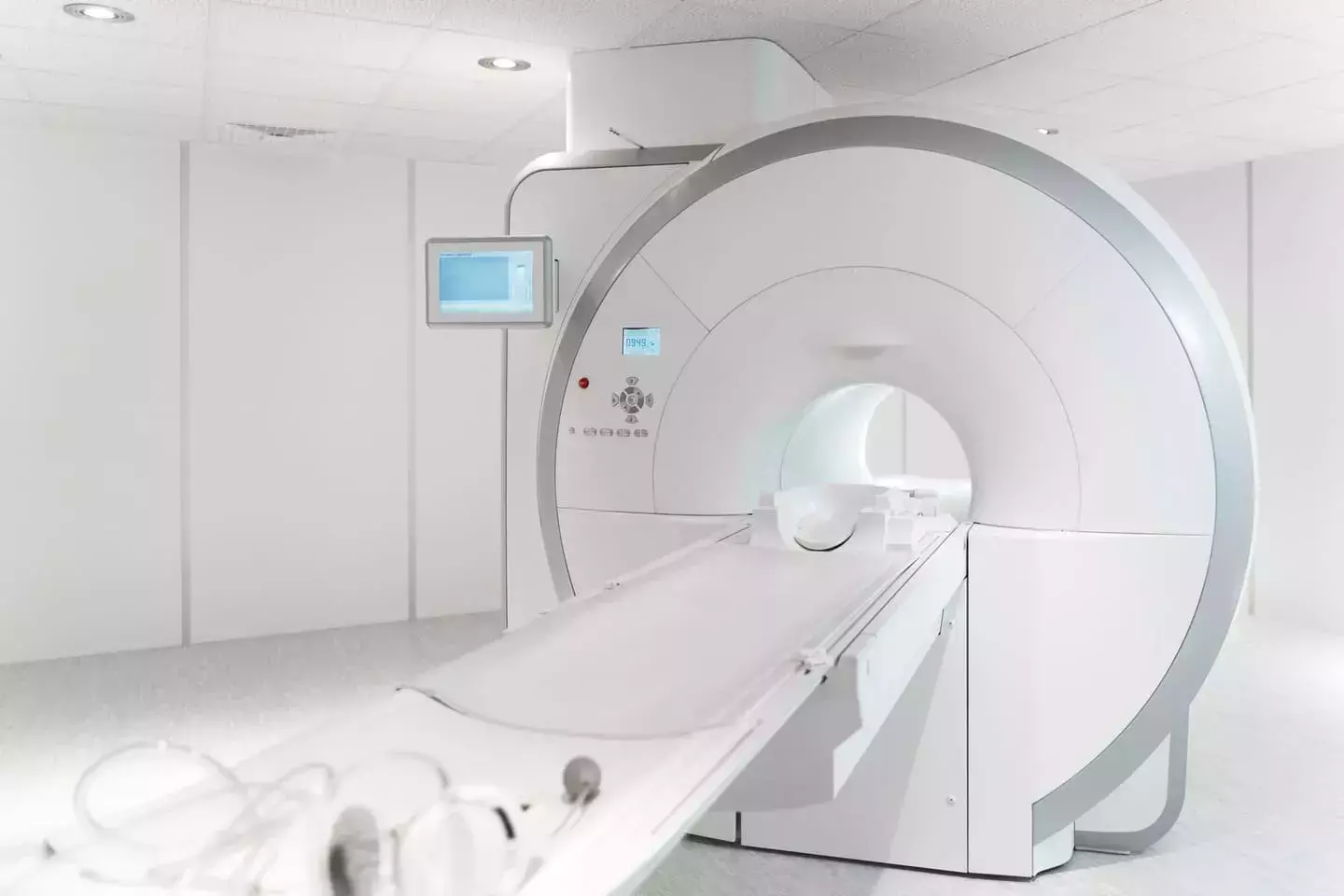
Cardiac MRI: To detect structural abnormalities and inflammation.
CT Scan: To find disease, such as coronary artery disease.
Holter Monitoring: To monitor heart rhythm for about 24-48 hours.
Coronary Angiography: To detect blockages in the heart's coronary arteries.
Blood Tests: To evaluate the cholesterol levels and presence of cardiac markers.
PET: To assess the heart's blood flow and metabolic activity and check areas with poor blood flow.
Electrophysiology Study: To check abnormal electrical pathways & the exact cause of heart rhythm disorders.
Cardiac Electrophysiology: To find the heart's electrical system-related problems, like arrhythmias.
What Treatments Do the Cardiologists in Gurgaon Provide?
Based on the patient’s condition, the heart specialists help with the following treatment:
Medications that include beta-blockers, anticoagulants, statins, and ACE inhibitors
Interventional procedures, such as stent placement and angioplasty
Implantable devices, like pacemakers and defibrillators
Cardiac rehabilitation programs for proper recovery after heart events
Lifestyle modifications, like a heart-healthy diet, regular exercise, weight management, and no smoking
Preventive cardiology care, like managing risk factors
When to Consider Consulting a Cardiologist?
See the heart doctor as soon as possible if you experience:
Chest discomfort, such as pain and pressure
Shortness of breath while resting or performing an activity
Sudden or extreme tiredness
An episode of a heart attack
Dizziness or fainting
High blood pressure
Heart Palpitations
Swelling in the legs, ankles, and abdomen
Also, you should consult them if you have a family history of heart conditions and have any risk factors (like diabetes, high blood pressure, and high cholesterol).
How to Choose the Best Cardiologist in Gurgaon?
To ensure effective treatment and recovery, consider these factors when choosing the best cardiologist:
Qualifications and board certification: Choose the heart specialist who is well-qualified and certified by a reputable medical organization or school.
Experience and expertise: Look for the one with extensive experience and expertise in treating your specific heart-related issue.
Hospital affiliation & advanced facilities: Choose the doctor affiliated with a reputed hospital and have access to advanced infrastructure, well-equipped ICU facilities, and emergency support.
Communication skills & patient-centered approach: Choose the one who explains the right treatment in a clear manner and also ensures comfort.
Patient reviews & recommendations: Read positive reviews from past heart patients, providing valuable insights into the care, success rate, and communication of the doctor.
Availability for follow-up care: Look for the one who offers long-term follow-up care and can be easily accessible during emergencies.
Conclusion
Choosing the best cardiologist or heart specialist ensures effective treatment and better heart health. From diagnosis to advanced treatment plans, they help people live healthier and longer lives. So, look for the right heart doctor and reduce the risk of fatal heart conditions.