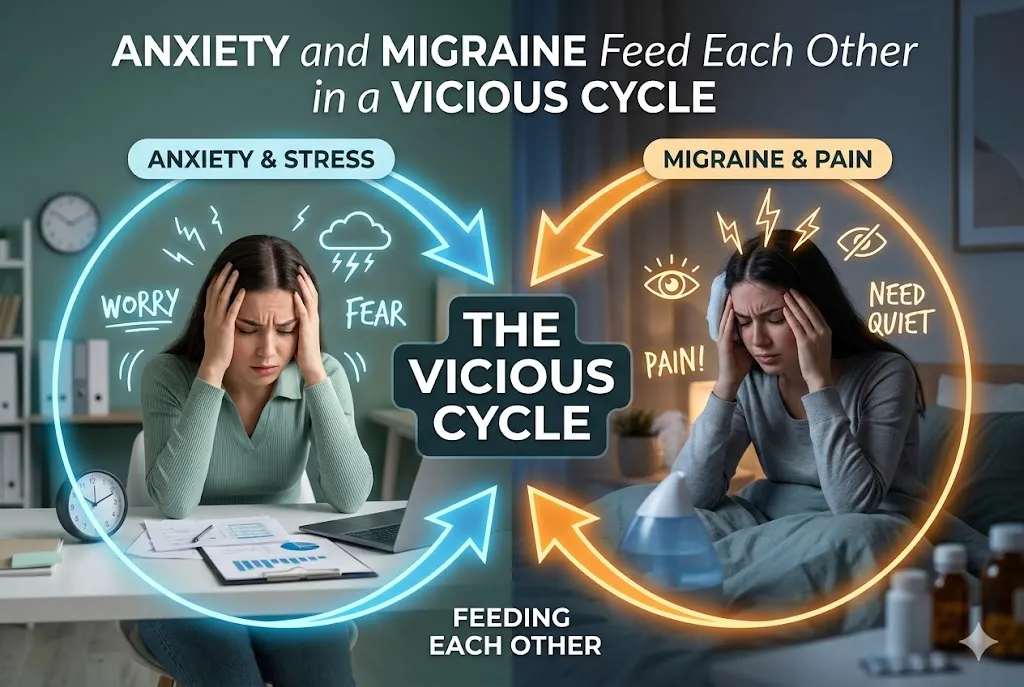
For the vast majority of patients, the news that they require surgery is met with an immediate and visceral surge of adrenaline. This physiological response is not merely a reaction to the physical risk, but a result of "the fear of the unknown". In clinical settings, pre-operative anxiety is a significant hurdle that can negatively affect clinical outcomes, increase the perception of post-operative pain, and prolong recovery times.
The root of this anxiety often lies in a gap in healthcare communication. When a surgeon explains a complex procedure using medical jargon or static 2D diagrams, the patient’s mind often fills the gaps with worst-case scenarios. However, the use of 3D medical animation is fundamentally changing this dynamic. By providing clear, high-fidelity surgical procedure visualization, the technology is empowering patients, fostering medical literacy, and providing the psychological clarity needed to face surgery with confidence.
The psychology of fear and the need for visualization
In a surgical context, the "black box" of the operating room is a major source of anxiety. Patient education has traditionally relied on verbal descriptions and printed brochures, which require patients to construct a 3D process from 2D information mentally. For someone without a medical background, this is an exhausting and often frightening task.
Medical animation removes this burden. It allows the patient to see exactly what will happen inside their body. When a patient can watch a simplified and technically accurate representation of a heart valve replacement or a spinal fusion, the mystery behind the surgery evaporates. By transforming an abstract concept into a visible reality, animation acts as a powerful tool for reducing fear.
Enhancing informed consent through medical literacy
Informed consent is a legal and ethical cornerstone of modern medicine, but its effectiveness is often compromised by a lack of true understanding. A patient signing a consent form after a confusing consultation is not truly "informed" but merely compliant.
Using 3D surgery animation as a centerpiece of doctor-patient communication ensures that the patient actually comprehends the risks, benefits, and mechanics of their surgery. This elevation of medical literacy means the patient becomes an active participant in their care rather than a passive recipient. This shift from helplessness to engagement is critical in successful pre-surgery preparation.
Improving healthcare communication and patient engagement
The traditional hierarchy of the doctor-patient relationship is evolving into a partnership as 3D animations serve as a universal language that transcends educational backgrounds and language barriers.
Interactive visuals allow for a deeper level of patient engagement. During a consultation, a doctor can pause the animation, rotate the anatomical model, and answer specific questions in real-time. Questions like "What happens to this nerve?" or "Where exactly does the implant sit?" can be answered instantly with a comprehensive visual demonstration. This transparency builds a foundation of trust, and a patient who trusts their surgeon and understands the procedure is significantly less likely to experience the effects of pre-operative stress.
The physiological link: less anxiety, better clinical outcomes
The benefits of reducing pre-operative anxiety are not just psychological but also physiological. High levels of stress hormones like cortisol and adrenaline can interfere with anesthesia, suppress the immune system, and increase blood pressure. By reducing fear through better pre-surgery preparation, hospitals have observed a measurable improvement in clinical outcomes.
Patients who enter the operating room with a calm mindset typically require less anesthesia, experience fewer complications related to heart rate fluctuations, and report higher levels of satisfaction with their overall care. Furthermore, the recovery process is often smoother. When a patient has seen an animation of the healing process and knows what to expect during rehabilitation, their post-operative patient engagement remains high, leading to faster mobilization and discharge.
Standardization of patient education
One of the greatest challenges in large healthcare systems is the inconsistency of information. Different clinicians may explain the same procedure in various ways, leading to patient confusion. 3D medical animation provides a "gold standard" of patient education.
By integrating standardized animations into the pre-surgery preparation workflow, healthcare providers ensure that every patient receives the same high-quality, evidence-based information. These digital assets can be accessed by the patient at home, allowing them to review the procedure with their family members. This "at-home" reinforcement further settles the nerves, as the patient can process the information in a comfortable, low-stress environment.
Conclusion
The integration of 3D medical animation into the clinical pathway represents a paradigm shift in how hospitals and healthcare providers approach the human element of surgery. It highlights that treating a patient involves more than just a successful technical procedure but requires the management of the patient’s mental and emotional state.
By prioritizing healthcare communication through 3D surgical procedure visualization, the medical community is making surgery transparent. As the industry moves forward, the use of these tools is likely to become a standard expectation in informed consent and patient education.

लिहिलेले