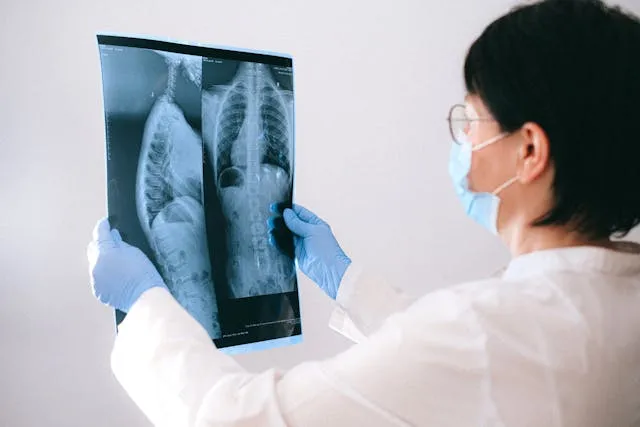
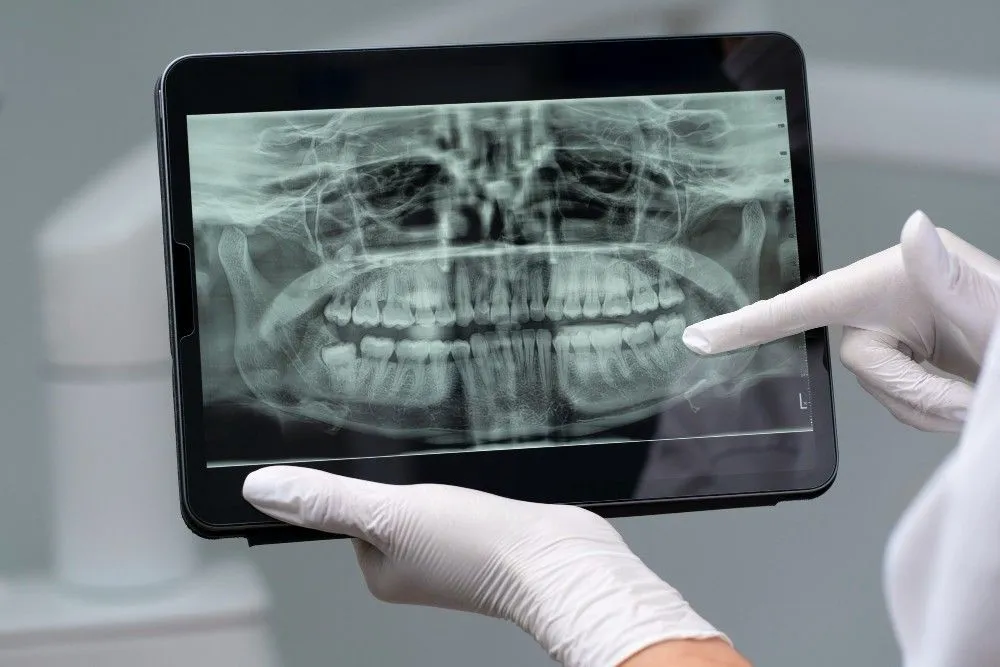
A Mini C-Arm is a compact medical imaging device that allows doctors to view real-time X-ray images of a patient’s extremities, such as hands, wrists, feet, ankles, elbows, and knees. Unlike full-size C-Arm systems, mini C-arms are specifically designed for small body parts, offering high image clarity with significantly lower radiation exposure.
These systems are widely used in orthopedic clinics, podiatry practices, urgent care centers, and surgical facilities where precise imaging and quick decision-making are essential. When comparing what is the best mini-C-arm for clinical use is, providers often consider factors like image quality, radiation dose, ease of use, and physical footprint.
How Does a Mini C-Arm Work?
A mini C-arm uses fluoroscopy technology, which produces continuous X-ray images displayed instantly on a monitor. The device forms a “C” shape around the area being examined, allowing the imaging source and detector to rotate and capture multiple angles without moving the patient.
One popular system often referenced in clinics is the Hologic InSight FD, known for delivering sharp imaging and reliable performance.
This real-time visualization helps physicians see bone alignment, joint positioning, and hardware placement during procedures, improving accuracy and reducing the need for repeat imaging.
Common Uses of a Mini C-Arm
Mini C-arms are most commonly used for extremity imaging and are especially valuable in both diagnostic and procedural settings.
Orthopedic and Podiatric Applications
Fracture evaluation and reduction
Joint alignment checks
Pin, screw, and hardware placement
Post-operative follow-up imaging
Surgical and Clinical Uses
Intraoperative guidance during minor procedures
Real-time confirmation of implant positioning
Assessment of joint movement and stability
Imaging in tight clinical or operating room spaces
Because of their mobility and ease of use, mini C-arms help streamline workflows and reduce patient wait times.
Is a Mini C-Arm Safe for Patients?
Yes, mini C-arms are considered very safe when used appropriately. They are specifically engineered to deliver a much lower radiation dose than traditional full-size fluoroscopy systems.
Most modern mini C-arms use digital detectors and optimized imaging settings that focus radiation only on the area of interest, minimizing unnecessary exposure.
Understanding Radiation Risk with Mini C-Arms
Radiation exposure is a common concern for patients, but the risk associated with mini C-arm imaging is relatively low.
Key Safety Points
Radiation is limited to small body parts (extremities only)
Exposure levels are significantly lower than standard X-ray or full C-Arm imaging
Short imaging times reduce cumulative dose
Many systems include dose-control features
For most patients, the diagnostic and procedural benefits far outweigh the minimal radiation risk involved.
When Do Patients Need a Mini C-Arm?
A physician may recommend a mini C-arm when precise, real-time imaging is required to guide diagnosis or treatment.
Patients May Need a Mini C-arm if They Have:
Suspected fractures or dislocations
Joint pain requiring detailed imaging
Orthopedic hardware placement or adjustment
Post-surgical evaluations of bones or joints
Sports injuries affecting hands, feet, or ankles
Mini C-arms are especially useful when accuracy is critical and traditional X-rays may not provide enough detail.
Mini C-Arm vs Traditional X-Ray: What’s the Difference?
While both technologies use X-rays, their purpose and capabilities differ.
Feature | Mini C-Arm | Traditional X-Ray |
Imaging Type | Real-time fluoroscopy | Static images |
Patient Movement | Minimal | Often required |
Radiation Dose | Lower | Moderate |
Use During Procedures | Yes | No |
Best For | Extremities & guidance | General diagnostics |
Mini C-arms offer real-time visualization, making them ideal for procedures and immediate clinical decisions.
What Is the Best Mini-C-Arm?
Choosing what is the best mini-C-arm depends on practice needs, patient volume, and imaging requirements. Factors to consider include:
Image quality and clarity
Radiation dose management
Ergonomics and ease of use
Portability in clinical spaces
Service and support options
Many practices favor systems like the Hologic InSight FD due to its balance of performance, reliability, and minimized radiation.
Benefits of Mini C-Arms for Clinics and Patients
Mini C-arms provide advantages for both healthcare providers and patients:
Faster diagnosis and treatment
Reduced need for repeat imaging
Improved procedural accuracy
Lower radiation exposure
Compact design for small clinical spaces
Increased patient comfort
These benefits contribute to better outcomes and more efficient care delivery.
Final Thoughts
A Mini C-Arm is a powerful yet patient-friendly imaging solution designed for extremity care. Its ability to deliver real-time, high-quality images with minimal radiation makes it an essential tool in modern orthopedic, podiatric, and surgical practices.
For patients, it means faster answers, safer imaging, and more accurate treatment. For providers, it offers efficiency, precision, and confidence during diagnosis and procedures. When selecting devices and planning imaging workflows, considerations like what is the best mini-C-arm and reliable systems such as the Hologic InSight FD help clinics maximize the quality of care.

लिहिलेले