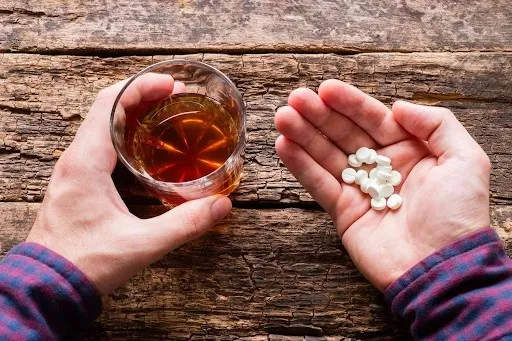
If you're taking Paxlovid for COVID-19 and enjoy drinking, you may be asking: Can you mix Paxlovid and alcohol? While a drink might seem harmless, alcohol can interfere with how Paxlovid works, heighten side-effect risks, and even slow your recovery.
In this article, we'll break down why alcohol and Paxlovid don't mix, potential complications to watch for, and safer choices to help you heal faster.
Is It Safe to Mix Paxlovid and Alcohol?
No, it is not safe to take Paxlovid and alcohol together. Though there is no clear warning label that says to avoid mixing both substances, doctors advise caution against such practice. This is because of possible interaction between alcohol and Paxlovid, which interferes with the body's way of processing the medicine, leading to some risks.
What Do Experts Say?
Experts say even if the medicine does not have a clear alcohol interaction, alcohol can still:
-
Lower the effectiveness of the treatment
-
Worse side effects
-
Complicated underlying health issues
When in doubt, always seek medical guidance. The safest treatment course is to prioritize recovery and resist drinking alcohol until the entire treatment is complete.
Why Avoid Paxlovid and Alcohol Together?
Combining them can lead to the following risks:
High Chances of Side Effects
Mixing alcohol with Paxlovid can increase the side effects of the medicine. Those side effects include:
-
Nausea
-
Diarrhea
-
Headache
-
Dizziness
-
Altered taste
-
Fatigue
-
Sleep disturbances
Alcohol can aggravate all these effects, worsening your health condition.
Reduced Medication Effectiveness
-
A study says that alcohol can disrupt the ability of body to metabolize medicines, including Paxlovid.
-
This interference can negatively impact the effectiveness of the medicine for COVID-19 or coronavirus treatment.
Stress on the Liver
-
Paxlovid component “ritonavir” and alcohol are metabolized in the liver, which can raise the levels of liver enzymes.
-
This can increase stress or strain on the liver to digest both substances simultaneously, especially in individuals living with liver issues.
-
This combination can worsen liver conditions and lead to severe complications, such as liver damage or even liver failure.
Weak Immune System
-
Alcohol can weaken the immune system, which, in turn, can impact the effectiveness of Paxlovid in assisting the body to fight off the COVID-19 virus.
-
This, as a consequence, may lead to chronic symptoms of COVID and may also delay recovery.
Dehydration Risk
-
As alcohol is a diuretic (which increases urine production), it can lead to dehydration (loss of water) through frequent urination. This can impact Paxlovid's efficacy.
-
By interrupting the ability of body to break down the medicine, dehydration can worsen the symptoms of COVID-19 and also delay the healing process.
-
So, drink a lot of water while taking Paxlovid to boost the immune system.
Interaction with Other Medicines
-
Paxlovid has several drug interactions, as ritonavir (an ingredient in it) can impact the way the liver processes the medicine.
-
If you are also using medicines for cholesterol, blood pressure, mental health, and other medical issues, drinking alcohol can add more complications.
Overdose Risk
Mixing both substances can lead to dangerous consequences, such as the risk of overdose. An overdose can lead to the following symptoms:
-
Chest pain
-
Irregular heartbeat
-
Seizures
-
Loss of appetite
-
Stomach pain
-
Muscle aches
If you suspect any of these symptoms, immediately see a doctor or call 911 or 1-800-222-1222. Remember that an overdose can be a severe issue, so always follow your doctor's advice, take the medicine as prescribed, and avoid alcohol at any cost.
How Long After Paxlovid Can I Drink?
Here is when you can safely have alcohol after your Paxlovid treatment:
-
As the course of treatment for Paxlovid is 5 days, wait until this period is completed to reduce the risk of side effects and ease recovery.
-
This period allows the liver to completely recover and ensure the drug metabolites are eliminated from the body.
-
Wait until you are completely recovered from COVID-19 or coronavirus.
-
Give 24 to 48 hours to your body after the use of the last dose to help it eliminate the medicine and alleviate the strain on the liver.
-
If you experience liver-associated symptoms after taking Paxlovid or are currently taking other medications that are also metabolized by the liver, seek medical advice before drinking.
What If You Have accidentally mixed them?
Don't panic and take appropriate action:
-
Stop drinking alcohol immediately
-
Check for side effects
-
Stay well-hydrated
-
See a doctor in case of severe symptoms
Warning Signs to Look For
Seek medical help immediately if you experience:
-
Severe nausea or vomiting
-
Extreme dizziness
-
Severe abdominal pain
-
Severe coordination issues
-
Constant weakness
-
Quick heartbeat or breathing difficulties
Tips to Manage Side Effects
For mild symptoms:
-
Drink plenty of water, as it helps flush out alcohol by helping the liver.
-
Take rest, as your body is already under stress from the interaction of Paxlovid and alcohol.
How Does Alcohol Interact With Paxlovid?
There is a science behind Paxlovid alcohol interaction:
-
When you consume alcohol and Paxlovid simultaneously, both substances interact within the body.
-
Alcohol can hinder the activity of the enzymes that play a role in Paxlovid metabolism.
-
This can raise the concentration of the drug in the bloodstream, which can increase the chances of medication overdose and severe effects.
-
This can alter the effectiveness of Paxlovid in managing the symptoms of COVID-19.
-
Moreover, the alcohol's inhibitory effects on the metabolism of Paxlovid can be dose-related. The higher a person consumes alcohol, the more significantly it will impact the breakdown of the drug.
-
Besides this, though the liver helps metabolize alcohol and the medication, other systems and organs of the body can also experience some effects. For instance, alcohol can disrupt the distribution and absorption of Paxlovid in the gastrointestinal system, which can alter the overall efficacy and bioavailability of the gastrointestinal tract.
Risks of Drinking Alcohol with Paxlovid
A combination of Paxlovid and alcohol can lead to increased side effects and some health complications:
Immediate Side Effects
The following are the immediate symptoms triggered by mixing both substances:
-
Upset stomach
-
Nausea
-
Vomiting
-
Drowsiness
-
Muscle pain
-
Dizziness
-
Heightened gastrointestinal discomfort
Moreover, severe side effects that might need immediate medical help, mainly related to liver health, can also arise. Those include:
-
Yellowish eyes or skin
-
Serious abdominal pain
-
The dark color of urine
-
Unreasonable fatigue
Long-term Side Effects
On the other hand, mixing Paxlovid and alcohol can cause long-term effects on your health that include:
-
Risk of liver damage, leading to liver cirrhosis or fatty liver disorders
-
Increased blood pressure levels
-
Stress on the kidney, hindering the related function, or worsening existing conditions
How does Paxlovid work?
Paxlovid works effectively by blocking the coronavirus from increasing in number within the host body.
-
Its primary antiviral component, known as Nirmatrelvir, targets the enzyme in the virus called 3-chymotrypsin-like protease.
-
By inhibiting the growth of this kind of enzyme, this potential drug helps slow down the spread of the virus.
-
This gives the body's immune system a better chance to fight against the infection.
In general, Paxlovid is an effective medication that can drastically reduce the viral load of the virus, which reduces the severity of the COVID-19 symptoms. As per the U.S. Food and Drug Administration, Paxlovid is significantly effective and is approved for use to treat COVID-19.
Who is at More Risk of Complications?
The following people are more prone to complications associated with the combination of Paxlovid and alcohol:
-
Older adults with reduced liver function and lower metabolism
-
Individuals with pre-existing liver-related issues
-
People on other medications, particularly those that interact with ritonavir
-
Individuals with a personal history of alcohol use disorder
-
People with chronic diseases or a weak immune system
If you fall into any category, it is very crucial to avoid drinking any alcoholic beverage with and shortly after the complete course of Paxlovid treatment.
Tips to Consider While Taking Paxlovid
Consider these tips to ensure effective and safe use of Paxlovid:
-
Do not drink alcohol, especially during the entire treatment. Wait for some period after the treatment also.
-
Take the dose as prescribed by your doctor, even if your symptoms start improving before the course of the treatment is finished.
-
Drink plenty of water and consume a balanced diet to speed up recovery.
-
Inform about your current medicines and supplements to your doctor to avoid adverse interactions.
-
Limit strenuous physical activities during the recovery period to alleviate the stress on the body and preserve energy.
-
By following these tips, you can smooth and speed up the healing process.
-
Take adequate rest, as the body needs enough energy to fight off the virus that causes coronavirus..
-
Quit smoking, as it can strain the vital organs of the body and slow down the recovery process.
Common Misconception
-
The common misconception is that consuming alcohol in small amounts while on Paxlovid treatment is safe. But even a little quantity can interact with medication, which can reduce the medication's efficacy and increase side effects.
-
It is important to talk to a doctor before considering alcohol while taking Paxlovid to effectively reduce any potential risks.
When to See the Healthcare Professional?
If you suspect adverse effects after combining alcohol and Paxlovid, seek medical help. Immediately consult the doctor if you experience:
-
Severe abdominal pain
-
Persistent vomiting or nausea
-
Signs of liver issues, like dark urine or jaundice
-
Shortness of breath
-
Allergic reactions, like swelling, itching, or rash
-
Severe confusion or dizziness
Early treatment can prevent the risk of severe complications and help change the treatment if necessary.
When to Seek Treatment: Alcohol Abuse and Addiction Treatment
If you are struggling with alcohol addiction or abuse while on Paxlovid treatment, it is crucial to speak with the medical professionals. Here are the helpful treatment options they provide:
-
Medical detoxification: Manages symptoms of withdrawal and reduces intake of alcohol under the guidance of a medical expert. This prevents the chances of dangerous complications.
-
Motivational Interviewing (MI) and Cognitive-behavioural therapy (CBT): Recognize the stimuli that contribute to such addiction and help with coping strategies.
-
Support groups (e.g., Alcoholics Anonymous (AA): Provides a community to share your personal experiences and insights.
It is important to address alcohol addiction and abuse to avoid interaction with Paxlovid treatment, which can increase or worsen health issues.
What to Discuss with a Doctor?
Be honest with a healthcare provider about:
Your drinking habits.
Tell them:
-
How often do you drink
-
How much quantity do you consume a day or a week
-
Any history of alcohol addiction or dependence
Current medications:
This helps find potential interactions, so inform us about your
-
All current prescription medications
-
Over-the-counter (OTC) medications
-
Vitamins and supplements
Medical history
Discuss your history of:
-
Kidney or liver disease
-
Gastrointestinal issues
-
Mental health problems
-
Previous adverse reactions to any drug
COVID-19 symptoms:
-
Severity and duration of the symptoms
-
Any other related complications
-
Other treatments you are using
Better Alternatives to Alcohol During Paxlovid Treatment
As you are avoiding alcohol during Paxlovid treatment, consider these alternatives:
For relaxation:
-
Herbal teas, such as passionflower, chamomile, or lavender
-
Breathing exercises or meditation
-
Yoga poses or gentle stretching (if your energy allows)
-
Reading books or watching favorite shows
For social connection:
-
Virtual hangouts with family members and friends
-
Phone calls or video calls
Note: Isolate anyway because of COVID-19
Mocktails & non-alcoholic beverages:
-
Sparkling water with some fruit
-
Non-alcoholic wine or beer
-
Specialty teas or coffee drinks
-
Fresh fruit juices (like vitamin C juices to boost immunity)
Healthy lifestyle:
-
Take well-balanced food
-
Stay hydrated
-
Get enough rest or sleep
Summing Up
Though there is no direct interaction between Paxlovid and alcohol, consuming alcohol while on this medicine can reduce the medicine's effectiveness and raise the risk of side effects. This can lead to long-term side effects and delayed recovery. If you find it challenging to avoid alcohol while on this treatment, seek medical help to address the concern and long-term effects.
Prioritize your health during COVID-19 by giving your the sufficient time to your body to recover completely before reaching for a glass of wine or beer!
أسئلة متكررة
Should Paxlovid be taken with food?
Yes, it can be taken with food, especially if you experience any gastrointestinal-related issues with Paxlovid.
How long should i wait to drink alcohol after taking Paxlovid?
You can drink alcohol after at least 24 hours following the Paxlovid intake. This period ensures the complete metabolism of the Paxlovid by the body.
Can Paxlovid cause dizziness?
Yes, Paxlovid causes dizziness. If you experience such symptoms, seek medical help.
Can I drink wine after taking Paxlovid?
No, you can’t. This can reduce the medication’s effectiveness and can increase the risk of adverse side effects.
Is occasional alcohol consumption safe with Paxlovid?
No, even a small amount of alcohol can cause complications and delay healing. So, stay alcohol-free until you recover completely.
Should you take Paxlovid with food?
Yes, it can be taken with or even without food. But, if you experience gastrointestinal issues, have it with food to alleviate them.
How does alcohol impact your immune system during the recovery of COVID-19?
It can suppress both acquired and innate immune functions and damage the lungs' epithelial lining (important for fighting viruses), making the recovery complex.
Are you susceptible to chronic coronavirus if you've had alcohol during an active infection?
No. But if you are an occasional drinker, you are more likely to have acute respiratory distress syndrome, a complication of coronavirus that can be life-threatening.
-User-1754377709.png)
كُتب بواسطة