The connection between gut health and cardiovascular wellness has drawn growing attention in recent years. Many are surprised to learn that the trillions of microorganisms in the digestive tract can influence not just digestion but also the condition of the heart and blood vessels. According to Dr. Stephen Feig of Sarasota, FL, scientists have discovered that the types of food people consume, their daily habits, and even stress levels can tip the balance of gut bacteria, which in turn may affect cholesterol, inflammation, and blood pressure. Understanding these relationships offers practical steps to support well-being and reduce the risk of chronic disease through manageable lifestyle adjustments.
What Gut Health Means
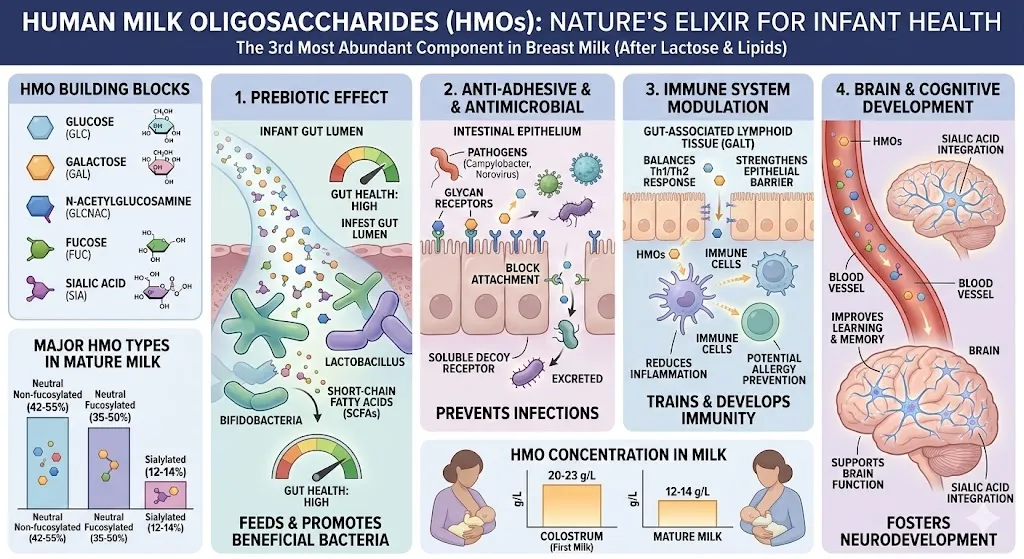
Gut health refers to the condition of the digestive tract and the trillions of microorganisms that live there, collectively known as the gut microbiome. These tiny organisms play a vital role in breaking down food, absorbing nutrients, and supporting the immune system. A growing body of science shows that gut bacteria also help train the immune system to distinguish between friend and foe, which is essential for preventing autoimmune reactions and maintaining a balance.
A balanced gut can help protect against infections and may even influence how the body responds to certain foods. In some cases, people who eat a wide variety of plant-based foods tend to have a more diverse gut microbiome, which is linked to better overall health. On the other hand, an imbalance in gut bacteria can contribute to digestive discomfort and impact general well-being.
How the Gut Affects the Heart
The relationship between the gut and heart is more connected than most realize. Communication occurs through a pathway known as the gut-heart axis, in which signals travel between the digestive and cardiovascular systems. Certain gut bacteria produce compounds that can influence blood vessels and even cholesterol levels. Recent studies suggest these bacterial products might also affect how the heart responds to stress and repair after injury.
Some research has found that when the gut breaks down specific foods, it creates substances like TMAO, which has been linked to the development of clogged arteries. People who consume diets high in red meat may show higher levels of these compounds, suggesting that what happens in the gut can have direct consequences for heart health. The gut’s role in metabolizing nutrients and producing signaling molecules remains an area of active research.
Biological Links Between Gut and Cardiovascular Systems
Gut microbes generate metabolites that affect how the body manages cholesterol and the condition of artery walls. When the balance of bacteria shifts, it can trigger inflammation throughout the body, which is a known contributor to high blood pressure and heart disease. Certain strains of bacteria may even help reduce inflammation, acting as a buffer against harmful processes.
Short-chain fatty acids, produced by beneficial bacteria during the digestion of fiber, help regulate blood pressure and maintain the flexibility of blood vessels. This means that the state of the gut microbiome can shape many biological processes that keep the heart and circulatory system functioning properly. Moreover, ongoing research is exploring how altering the microbiome might be used as a therapeutic tool to support vascular health.
What Influences the Gut Balance
A variety of factors can shift the makeup of the gut microbiome, sometimes in subtle ways. Dietary habits play a significant role; meals rich in fiber from fruits, vegetables, and whole grains typically promote a thriving microbial community. On the other hand, eating patterns heavy in processed foods or frequent antibiotic use can disrupt this balance and lead to fewer beneficial bacteria.
Other lifestyle factors, such as stress, lack of sleep, and limited physical activity, may also affect gut health. People in high-stress environments or those who rarely exercise often notice changes in digestion or energy, highlighting how interconnected these factors are with the gut’s equilibrium. Seasonal changes, travel, and even aging can further influence the variety and abundance of gut microbes.
Supporting the Gut and Heart
Meals that include colorful produce, fermented foods like yogurt or kimchi, and sources of soluble fiber help sustain a diverse range of helpful microbes. Some add probiotics and prebiotics to their routines to enhance these benefits, aiming for a more robust gut environment. Discovering new recipes or trying unfamiliar vegetables can also make healthy eating more enjoyable.
Beyond food, habits like regular exercise, managing daily stress, and prioritizing restful sleep contribute to a resilient gut and a healthier heart. These supportive measures, when combined, create conditions where both systems can flourish. Social connections and time spent outdoors have also been shown to benefit overall well-being, indirectly supporting gut and heart health.
Recent Insights and Practical Steps
Emerging research continues to uncover how deeply the gut and cardiovascular systems are linked. Scientists are exploring new therapies that focus on modulating the microbiome to reduce the risk of heart disease. Technological advances are making it possible to personalize these interventions based on an individual’s unique gut bacteria profile.
Readers can start by introducing a variety of plant-based foods, minimizing processed options, and staying active most days of the week. Small, consistent changes in routine often yield the most lasting improvements. Consulting with a healthcare provider before making major dietary changes can also help tailor strategies to individual needs and goals.

लेखक


.webp)