It is a scary thought to think about your teeth becoming loose or your jaw changing shape, but this is a real risk as the years go by. Many people believe losing bone in their mouth is just a part of getting older, but that isn't the whole story.
Knowing what causes bone loss in teeth as you age is the first step toward keeping your smile strong and intact for a long time. It usually starts quietly, often linked to gum issues or missing teeth that haven't been replaced.
The good news is that you aren't powerless against this. By understanding the underlying causes and risk factors, you can protect your jawbone density. You don't have to just wait for problems to happen. If you take the right steps now, you can keep your teeth firm and avoid the sagging look that often comes with bone loss.
What Causes Bone Loss In Teeth?
If you want the direct answer early, here it is. Bone loss around teeth usually starts when inflammation stays active or when chewing pressure drops in one area. Aging does not “cause” bone loss on its own. Instead, aging can make the body react more strongly to inflammation and heal more slowly. Then, everyday factors do the damage.
The most common causes include:
Gum disease that stays untreated or poorly controlled
Missing teeth that reduce jaw stimulation
Bite overload from clenching, grinding, or uneven contacts
Health factors that increase inflammation or slow healing
Now the goal becomes clear: reduce inflammation, protect the gum seal, and keep balanced chewing forces.

Gum Disease And Chronic Inflammation: The Primary Driver
Gum disease does not only affect the gums. It changes the bone level around tooth roots. Plaque collects near the gumline. Then bacteria push under the gums. Your immune system responds. That response can break down the ligament and bone support over time.
This process often stays quiet. Many people wait for pain. That approach fails because periodontitis can progress without sharp pain. Bleeding, swelling, and bad breath can show up first. Bone loss can follow.
Population-level data show just how strongly gum disease contributes to bone loss. A large U.S. analysis estimated that total periodontitis affected about two-thirds of adults aged 65+ (average 66.2% across states). That number matters because gum disease represents the most common pathway to bone loss in older adults.
For prevention, focus on early control. You cannot “out-brush” advanced tartar under the gums. You need professional help when pockets deepen.
Missing Teeth And Reduced Jaw Stimulation
Your jawbone responds to pressure. Chewing forces send signals that keep bone active. When a tooth goes missing, the bone under that spot loses its job. The body can then reduce bone in that area.
This change can start early after extraction. A systematic review of human studies reported horizontal bone loss of 29% to 63% and vertical bone loss of 11% to 22% after 6 months following tooth extraction. This does not mean every extraction leads to severe collapse. It shows why timing and planning matter.
If a tooth must come out, talk early about socket preservation, replacement timing, and bite stability. A planned approach protects the ridge shape and improves future fit for any replacement.
Bite Overload: Clenching, Grinding, And Uneven Contacts
Some people keep good hygiene and still see bone loss around certain teeth. Bite overload often explains that pattern.
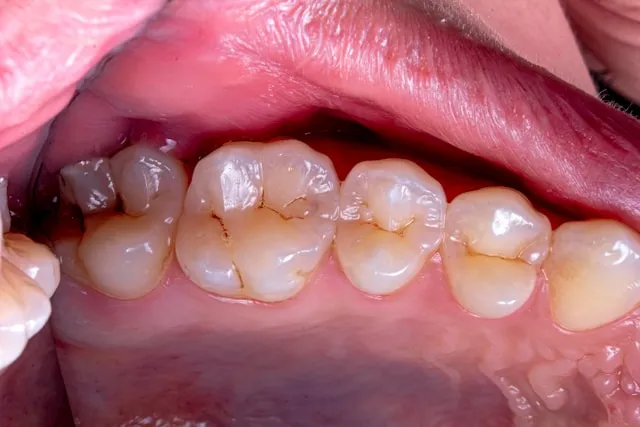
Grinding at night places repeated force on teeth. Clenching during stress adds pressure. A crown that sits slightly high can concentrate force on one tooth. Chewing mostly on one side can overload a small group of teeth. When inflammation also exists, overload can speed breakdown.
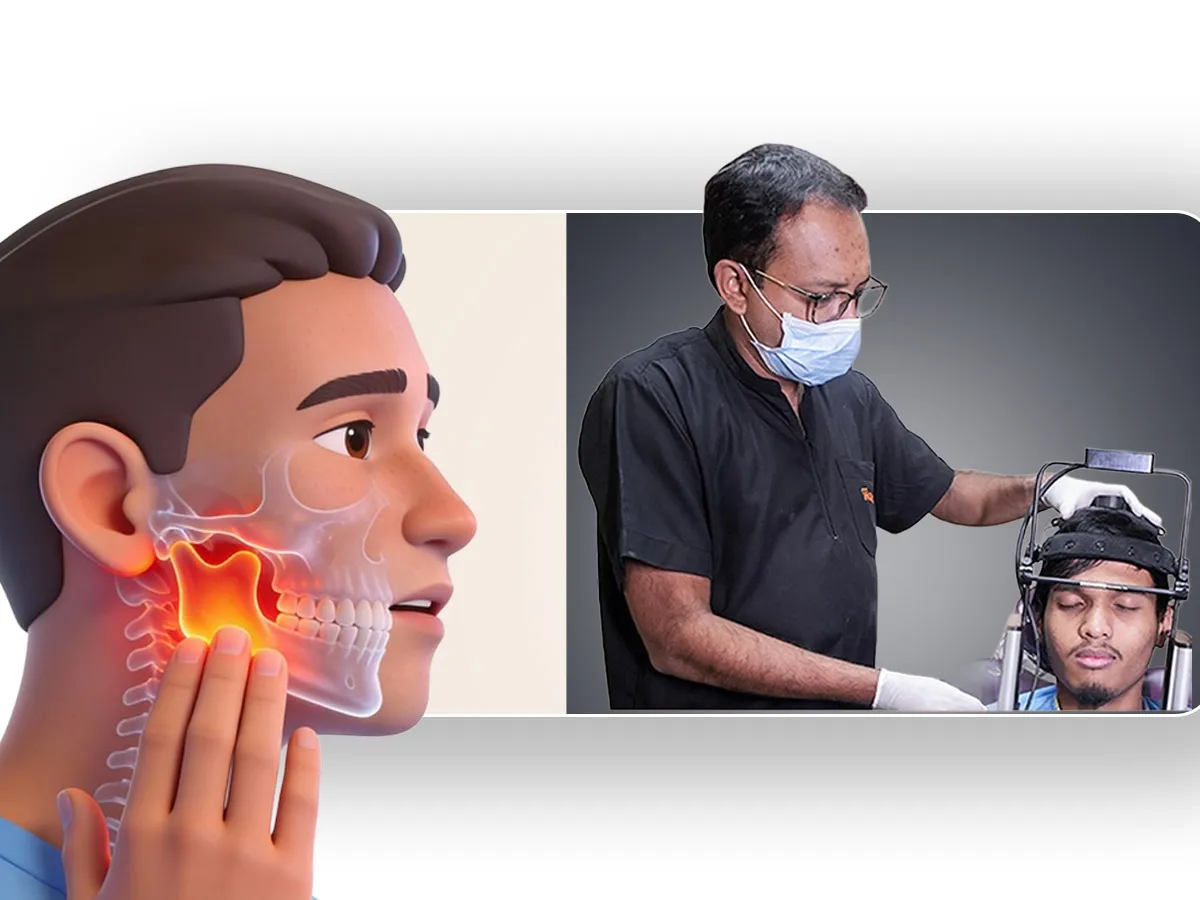
Common clues include jaw tightness in the morning, headaches near the temples, worn tooth edges, and frequent cracks in fillings. A dentist can adjust contacts and recommend a night guard when grinding shows up. These changes can reduce strain on the supporting tissues.
Systemic Health Factors That Increase Risk With Age
Oral health connects to body health. When inflammation rises in the body, gums often react. Blood sugar issues can increase gum inflammation and slow healing. Smoking reduces blood flow and interferes with repair. Some medications reduce saliva, which raises cavity risk near the gumline.
Research supports the diabetes connection strongly. A systematic review and meta-analysis of cohort studiesfound a bidirectional link: people with diabetes showed a 24% increase in the incidence of periodontal disease, and people with periodontitis showed a 26% higher risk of developing diabetes.
This does not mean bone loss becomes inevitable. It means prevention works best when it includes medical and lifestyle control, not only brushing.
Early Signs of Bone Loss You Shouldn't Ignore
Bone loss around teeth rarely begins with pain. Instead, it often begins with change.
Watch for:
Bleeding during brushing or flossing
Gum recession that exposes more tooth
Food trapping in the same place
Persistent bad breath that returns quickly
New spacing between teeth
Bite changes that feel “off”
Mild looseness or shifting
These signs often reflect ongoing inflammation or reduced bone support around the tooth.
Here’s how the most common causes lead to bone loss and where intervention helps most.
Cause | What It Does | What Helps Most | Best Time To Act | Practical Next Step |
Gum Disease | Drives inflammation and bone breakdown | Deep cleaning + daily interdental cleaning | At first bleeding | Periodontal plan |
Tooth Loss | Reduces stimulation and shrinks the ridge | Timely replacement planning | Soon after extraction | Replacement consult |
Grinding/Clenching | Overloads support structures | Night guard + bite adjustment | When wear appears | Occlusal check |
Smoking | Reduces healing and increases disease risk | Cessation support + gum therapy | Immediately | Quit plan |
Poor Blood Sugar Control | Raises inflammation and slows healing | Medical control + periodontal care | Early diagnosis | Coordinated care |
Treat these signs as signals, not annoyances. Early action often prevents bigger losses later.
How Dentists Confirm Bone Loss
Dentists measure bone loss. They do not guess.
They use X-rays to check bone height around roots. They use periodontal probing to measure pocket depth. They look for bleeding points that show active inflammation. They compare results across visits to track trends.
Ask for clarity during your visit. Ask which teeth show the deepest pockets. Ask what numbers signal improvement. Ask what the next milestone looks like. Clear targets help you follow the plan.
Prevention Steps That Actually Work
Good prevention relies on consistency, not intensity. Most people fail because they try hard for one week and then drift. A strong plan stays simple and repeatable.
Start with the basics:
Brush twice a day with gentle pressure
Aim the brush toward the gumline
Clean between teeth daily with floss or interdental brushes
Avoid aggressive scrubbing when gums bleed
Use water rinses after meals when brushing is not possible
Drink water often, especially with dry mouth
Now add professional support. Tartar under the gums needs professional tools. Periodontal maintenance schedules often protect bone better than “once a year when it hurts.”
Tools That Improve Consistency
While tools don’t cause or reverse bone loss directly, they support habits that reduce the underlying triggers.
A strong routine becomes easier with the right tools. The best tool is the one you will actually use every day.
Electric Toothbrush For Better Timing
Soft Manual Brush For Sensitive Gums
Interdental Brushes For Larger Spaces
Floss For Tight Contacts
Water Flosser As An Add-On
Fluoride Toothpaste for Receding Areas
Appointment And Treatment Steps That Often Prevent Progression
Dental care works best when it matches your risk pattern. A “generic cleaning” may not fit deeper pockets or active bleeding.
Baseline Pocket Charting And X-Rays
Deep Cleaning When Active Disease Appears
Periodontal Maintenance Every 3–4 Months When Needed
Bite Adjustment For High Spots On Crowns
Night Guard For Grinding Signs
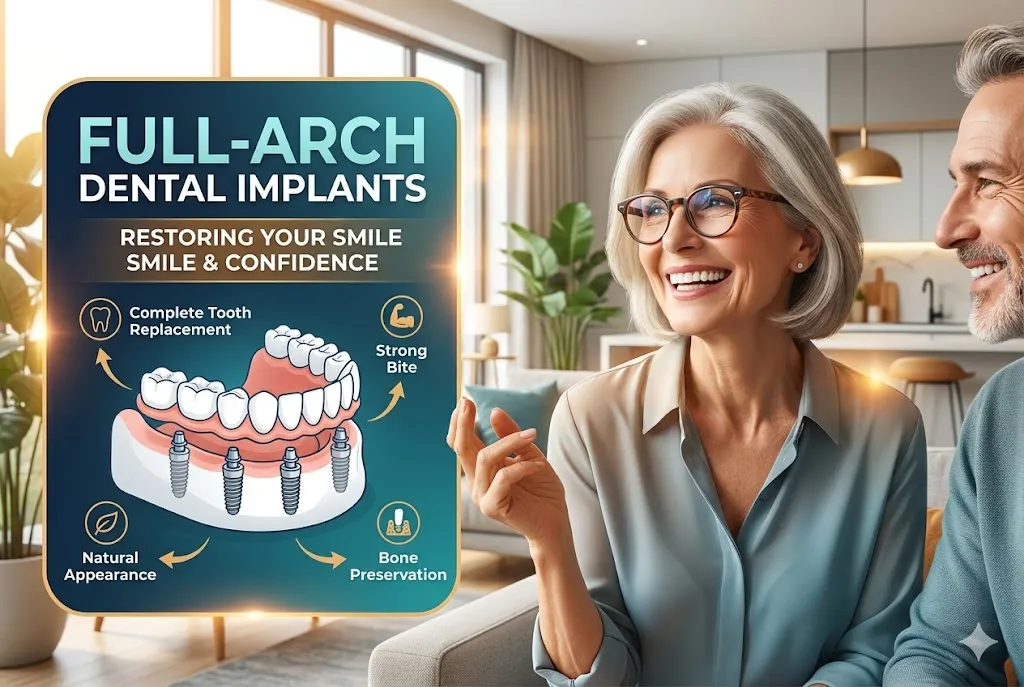
Replacement Planning After Tooth Loss
Can Bone Loss Be Reversed?
Bone loss is usually managed rather than completely reversed, especially when detected late.
Many people want a yes-or-no answer. In most cases, the goal is not full reversal. The goal is stability. Dentists can reduce infection, improve gum health, and slow or stop progression. In some cases, advanced procedures can rebuild certain areas, depending on location and severity.
Here is the practical mindset: focus on stopping the cause, then protect the new baseline. That approach preserves function and reduces future loss.
When To See A Dentist Promptly
Seek care quickly if you notice pus, swelling, increasing looseness, pain when biting, sudden spacing changes, or bleeding that continues despite good cleaning. These signs suggest active disease or overload that needs professional assessment.
Final Thoughts
Bone loss around teeth does not happen just because time passes. It usually follows inflammation, missing-tooth changes, bite overload, and health factors that increase risk. The strongest plan combines daily gumline cleaning, consistent between-teeth cleaning, and professional maintenance when pockets deepen.
If you want a clear, personalised plan, book a consultation with a dentist or periodontist and request measurements, targets, and a maintenance schedule. Most importantly, bone loss often starts quietly, so early action protects your smile long term.
वारंवार विचारले
Can Brushing Harder Prevent Bone Loss?
Hard brushing can irritate gums and wear roots. Gentle, thorough cleaning at the gumline and between teeth protects support better.
Do Implants Help Prevent Bone Shrinkage After Tooth Loss?
Implants can help maintain stimulation in the jaw. Your dentist should confirm timing, bone level, and health factors first.
How Often Should Cleanings Happen If I Have Gum Pockets?
Risk decides. Many people with deeper pockets benefit from periodontal maintenance every 3–4 months.
Does Diabetes Make Bone Loss Around Teeth Worse?
Yes. Diabetes can increase gum disease risk and slow healing. Research shows a strong bidirectional link.
Does Smoking Really Increase Gum Bone Loss Risk?
Yes. Research shows smoking raises periodontitis risk substantially, which can accelerate bone loss.

लिहिलेले