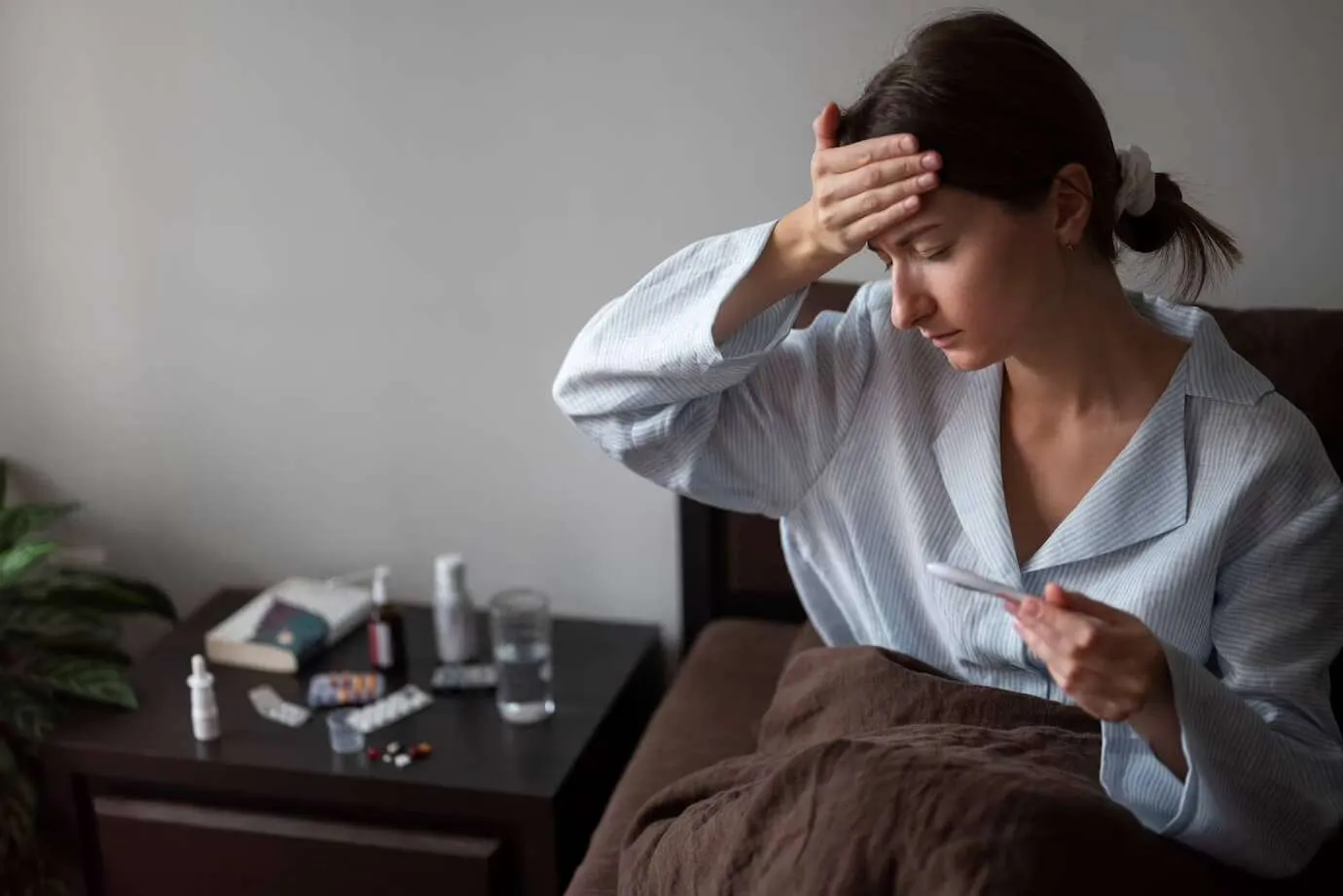
The interaction of Benadryl and drinking alcohol is a serious health risk not taken seriously by many individuals in treating allergies or taking care of sleep. Both are central nervous system depressants that form dangerous interactions which may lead to extreme drowsiness, lack of coordination and impaired judgment. It is important to know the reasons why Benadryl alcohol waiting time is a critical health concern so as to make informed choices regarding drug use. This is a comprehensive guide on the science underlying such interactions and gives evidence-based tips on how to consume things safely.
The Interaction of Benadryl and Alcohol in Your Body
When you take Benadryl (diphenhydramine), it is a first-generation antihistamine that easily enters your blood-brain barrier, causing therapeutic effects and also a sedative effect. Alcohol stimulates similar mechanisms, in a complementary manner, on your central nervous system. When the two are combined, this forms a hazardous multiplier effect in the sense that both drugs compete to use the same liver enzymes, so either of the drugs may turn out to be more concentrated in your bloodline.
The chemistry of diphenhydramine and ethanol interaction shows that your liver is overworked when it is trying to deal with both at the same time. Moreover, it is important to understand how Benadryl affects alcohol metabolism; alcohol may slow down the breakdown of Benadryl, and its concentration may be significantly higher. This interference with metabolic pathways implies that your organism will require much more time to eliminate these two substances. The answer to how long to wait after taking Benadryl before drinking alcohol depends on letting the two substances finish their elimination, which is through a half-life process of total removal in your body, and this process usually takes a period of 24-36 hours.
Knowing the Individual Risk Factors
Your own vulnerability to these contacts will be based on several factors, such as age, liver functioning, and your health condition of the body. The elderly are particularly vulnerable to the risks because they have a less efficient liver and are also more sensitive to the effects of sedatives. Individuals who already experience liver-related problems, heart-related problems or breathing difficulties are much more susceptible to adverse reactions.
Is it safe to mix Benadryl and alcohol? The simple answer is in the negative—no safe level has been set on this mix. Even the slightest quantities of alcohol may cause dangerous reactions with this medication. Also, alcohol and diphenhydramine side effects are compounded into unexplained reactions, which differ in individuals, when these two substances are used together.
Risk of Sedative Antihistamines and Alcohol
The risk of sedative antihistamines and alcohol cannot be overestimated. These drugs have different ways of action that would inhibit your central nervous system, at the same time causing a greater sedation than either of the drugs alone. When you mix these drugs, your respiratory system, cognitive capacity and motor skills are adversely affected.
There should be at least 24-36 hours between the antihistamine and drinking to permit full metabolic elimination. This long stand-off takes into consideration the differences in each person's metabolism and gives sufficient time to allow the substances to be eliminated from your organism before causing any other CNS depressants.
Safe Medical Guidance
Medical experts always advise against a close relationship between the use of Benadryl and the use of alcohol. When you are on any first-generation antihistamines and intend to take alcohol, you should ask your healthcare provider to suggest to you the specific timing to take them, depending on your health parameters. In case of the symptoms of acute allergy, it is possible to use other drugs such as second-generation antihistamines (such as cetirizine or fexofenadine), which have fewer interaction risks.
Conclusion
To avoid harmful interactions with drugs, it is essential to understand Benadryl's alcohol waiting time. These two substances combined form unpredictable and even life-threatening effects that are not merely due to drowsiness. With proper spacing between Benadryl use and alcohol and with attention to the warning signs as well as discussing your particular case with healthcare experts, you will be able to experience the positive outcomes of allergy management without risking your health or well-being.

लिहिलेले