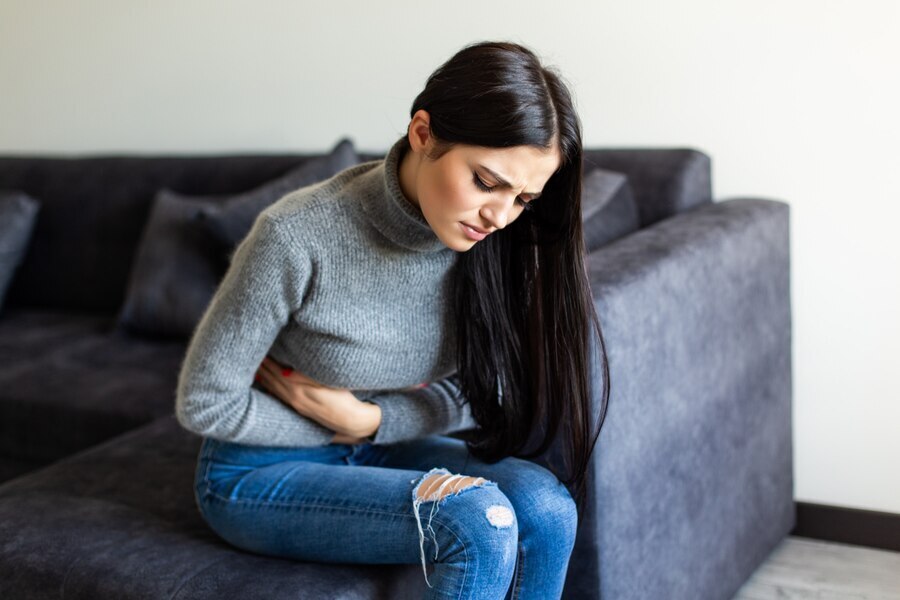
All girls go through menstruation every month. With menstruation comes cramps, which can be experienced either before or during periods. However, each person will have a different explanation of cramps because the factors that affect them are different.
One of the most common confusions that arises whilst experiencing cramps is, " Hey, maybe I am pregnant". This happens as the symptoms of mild abdominal pain, or cramps before the period are quite easy to confuse with cramping during early pregnancy in some women. So, understanding period cramps vs early pregnancy cramps is crucial.
Knowing the difference between these two types of discomfort can save you days of unnecessary stress. While the sensations often overlap, medical experts point to specific "red flags" and patterns that distinguish a normal cycle from the earliest stages of a new pregnancy.
This article helps you clearly understand period cramps vs early pregnancy cramps, so you can identify what your body is telling you and know when to take action.
Period Cramps vs Early Pregnancy Cramps
The most confusing part about early pregnancy is that the symptoms often mimic Premenstrual Syndrome (PMS). In both cases, your hormones are shifting rapidly, which causes the uterus to react. However, the biological "why" behind the pain is quite different.
The following are the dissimilarities that will help understand Period Cramps vs Early Pregnancy Cramps:
|
Feature |
Period Cramps |
Early Pregnancy Cramps |
|
Pain Intensity |
Usually more intense, throbbing, or sharp. |
Often milder, described as "pulling" or "tingling." |
|
Duration |
Lasts 1 to 3 days consistently. |
Short bursts; might come and go over several weeks. |
|
Location |
Lower abdomen, radiating to the back and thighs. |
Center of the lower abdomen or pelvic region. |
|
Bleeding |
Heavy flow lasting 3 to 7 days. |
Light spotting (implantation) or no bleeding at all. |
This comparison shows that while the location is nearly identical, the "vibe" of the pain is often the deciding factor.
Once you understand the basic differences, it is helpful to look closer at exactly when these pains show up in your cycle.
Occurrence
The calendar is your best friend when you are trying to figure this out. Period cramps generally follow a very predictable schedule. They usually show up 24 to 48 hours before your bleeding starts and peak during the first day of your flow.
Early pregnancy cramps, often called implantation cramps, typically happen much earlier than you would expect your period. According to the National Institutes of Health (NIH), implantation usually occurs about 6 to 12 days after conception. This means you might feel these twinges a full week before your "missed period" would even happen.
Duration
Wondering about “period cramps vs. early pregnancy cramps duration?” The duration of cramps during pregnancy lasts for some minutes or hours, which may be reduced by changing the position. On the other hand, with menstrual cramps, the duration may be 1-2 days before menstruation. Many people will have signs in 3-5 days; the intensity will increase at the start of the cycle.
Sensation
If you were to describe your pain to a doctor, what words would you use? Period cramps are caused by prostaglandins. These are chemicals that make your uterus contract to push out its lining. This results in a heavy, throbbing sensation that can feel like a "charley horse" in your gut.
On the other hand, many women describe early pregnancy sensations as "prickly" or "tingly." Because the uterus is beginning to stretch and the embryo is nestling into the wall, the sensation is less about a massive contraction and more about a localized irritation. Some women say it feels like a small "tug" from the inside.
Since the feeling can be subjective, looking at the accompanying bleeding provides more concrete evidence.
Bleeding Patterns: Spotting vs. Menstruation
This is the area where most people get confused. About 25% of pregnant women experience some form of light bleeding or spotting in the first trimester. This is known as implantation bleeding.
Here is how to spot the difference:
-
Color: Period blood starts pink or brown but quickly turns bright red. Implantation spotting usually stays light pink or rusty brown.
-
Consistency: Period blood often has small clots or a thick consistency. Pregnancy spotting is very thin and "watery."
-
Duration: A period lasts for days and gets heavier. Implantation bleeding lasts for a few hours to two days at most and never requires more than a panty liner.
If you have spotting AND other symptoms, the picture becomes much clearer.
Do Early Pregnancy Cramps Feel Like Period Cramps?
Yes, early pregnancy cramps can feel like period cramps. However, there are certain differences:
-
Pain level: Cramps during the early phase of pregnancy are typically mild and severe (in rare cases).
-
Location: Women mostly experience cramps during the early phase of pregnancy in their lower back and abdominal area.
-
Duration: Pregnancy cramps mostly last for a longer period than menstrual cramps.
-
Bleeding: Moreover, pregnancy cramps do not come with bleeding similar to a period.
What are Cramps During Pregnancy
Cramping during pregnancy occurs due to the expansion of the uterus, which causes ligaments that give support to the uterus to stretch. This happens as the body gets ready for the growing fetus. It can also be caused by standing for too long. When you sneeze, cough, or laugh, a sudden increase in abdominal pressure also causes cramps. Some cramps are heavy, uncomfortable, and painful.
The symptoms of pregnancy cramps are:
-
Pulling, aching, or tingling sensation in the lower abdomen
-
Implantation bleeding
-
Bloating
-
Back pain
-
Mood swings
Cramps During Periods or Menstruation Cycle
Cramps before the period are caused by stronger contractions of the uterus that push the blood pressure. The main cause is prostaglandin, a natural substance produced by the body, which causes the uterus to contract, causing cramps.
Symptoms of menstrual cramps may include:
-
The appearance of pain in the lower abdomen and pelvic area.
-
Stress due to the pain developing constantly.
-
The pain in your back and thighs.
-
Some people experience more severe symptoms than usual, such as nausea, headache, dizziness, and even a high fever.
Beyond Cramping: Period vs. Early Pregnancy Symptoms
With cramps, women might experience many other similar symptoms related to periods or pregnancy. The potential reason is changes in the hormone levels. Those symptoms include
-
Spotting or implantation bleeding
-
Fatigue
-
Mood swings
-
Tender breast
-
Headache
-
Appetite changes
It is difficult to differentiate between the symptoms of periods and pregnancy. Wondering, “What do the cramps feel like in early pregnancy?” Experts advise to look for these potential signs that indicate early pregnancy:
-
Missed periods (the most common signs)
-
Vomiting and nausea, impacting 70% to 80% of all pregnant women
-
Dark nipples & areolas, which are the skin surrounding the nipples)
-
Constipation’
-
Extreme tiredness
-
Avoiding or craving certain foods
-
Heartburn
When to Take a Pregnancy Test?
It is tempting to take a test the second you feel a twinge. However, testing too early is the leading cause of "false negatives." Pregnancy tests measure a hormone called hCG. This hormone only starts being produced after the embryo implants.
The Centers for Disease Control and Prevention (CDC) suggests that home tests are most accurate when taken on the first day of your missed period. If you test before your period is due, the hCG levels might be too low for the stick to detect, leading to a confusing negative result when you might actually be pregnant.
Regardless of the cause, pain is pain, and you likely want some relief while you wait for answers.
Some Preventive Measures For Period Cramps vs Pregnancy Cramps
Well, just like cramps before the period, the appearance of cramps during pregnancy will make the woman exhausted. So, follow some preventive measures.
Dealing with period cramps
When painful period cramps occur, you can try the following home and medical treatment options:
-
Take over-the-counter painkillers such as Advil or Ibuprofen to relieve period pain
-
Apply a heating pad or a hot water bottle to your abdominal area and lower back
-
Drink a lot of water to reduce the bloating
-
Have tea or anti-inflammatory foods to calm your cramps
-
Walk and practice breathing exercises to prevent pain
-
Avoid caffeine-rich beverages or foods as they tighten the blood vessels, making the cramps more painful
In case your period cramps or pain affects your everyday life and does not resolve using pain medications, consult with doctors for the right advice.
Dealing with early pregnancy cramps
You can consider these approaches to ease early pregnancy cramps:
-
Change your position or the way you sit
-
Avoid exercises and give a break to your body
-
Use a heating pad or hot water bottle to relax your stomach muscles
-
Consume fiber-rich foods to ease digestion
-
Wear a pregnancy belly band to support the weight of your belly
Be aware of heat-related measures, such as warming up, or relaxing in a hot tub, which may be beneficial for people with menstrual cramps. However, for women during pregnancy, this is not a good thing at all.
Note: During pregnancy, regular cramping and no signs of reduction in pain are some of the signals of danger, as are symptoms of cramps before the period. If the pain continues for a longer time or if there is continuous bleeding in the pelvis, you must immediately seek medical attention and see your doctor.
Summing Up
Understanding period cramps vs early pregnancy cramps is necessary in the event of an emergency for you and your friends. Any symptoms that occur even when you are in menstruation, or you are pregnant are important. Regular observations by visiting a Gynaecologist are the basis for how you can respond to changes in your body promptly and positively. Try to supplement yourself with lots of information on the difference between pregnancy cramps and period cramps which we have thoroughly mentioned above in the article. Fixing the problems with cramps before the period is quite difficult and dealing with cramps during pregnancy is much more difficult. So, do not ignore any advice, and useful information for the safety of your reproductive health and overall well-being.
Frequently Asked Questions
Are pregnancy cramps different from period cramps?
Pregnancy and menstrual cramps may feel the same but pregnancy cramps last for a longer duration. Pain during pregnancy continues as the uterus expands and the embryo develops.
Are cramps in pregnancy normal?
Cramps in pregnancy are totally normal and happen to every pregnant woman.
How to tell about the menstrual cramps and pregnancy cramps difference?
Period pain vs pregnancy pain can be understood based on location. Period pain occurs in the lower abdomen which may move to the thighs and lower back. Pregnancy cramps are felt all over the parts of the lower abdomen, lower back, and pelvic area.
Are period cramps normal during early pregnancy?
Yes, for some women, period cramps are possible during the first few weeks of pregnancy. This can be due to the uterus expansion.
What are the signs of period cramps vs early pregnancy cramps?
You might feel more intense and painful period cramps. While early pregnancy cramps may feel like a sensation of pulling and tingling.
How to know the difference between pregnancy cramps and period cramps?
Pregnancy cramps are felt in the lower abdominal area and may include some dull pain or mild discomfort in the uterus. Period cramps focus on the lower abdomen, thighs, and lower side of the back and may give a tingling sensation.

Reviewed by