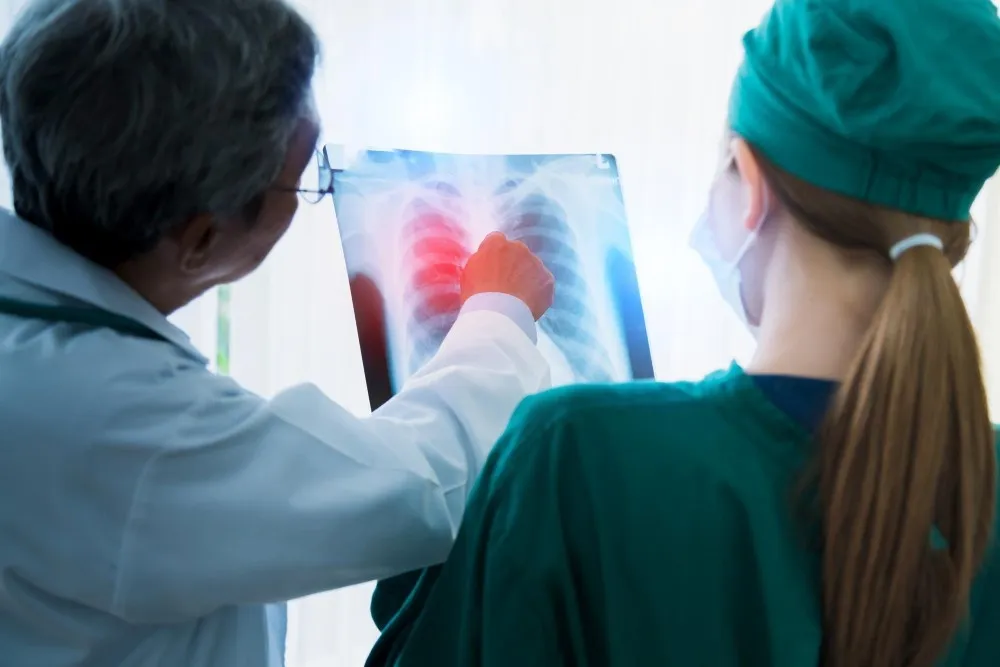
Mesothelioma is a rare but serious cancer that forms in the thin tissue lining of internal organs, most often the lungs. It develops after exposure to asbestos fibers, with symptoms often appearing decades after the initial contact. This guide breaks down the causes, common signs, and treatment choices for anyone seeking clear and useful information on this disease.
What Causes Mesothelioma?
The main cause of mesothelioma is asbestos exposure, a group of naturally occurring minerals used widely in construction, shipbuilding, and other industries throughout the 20th century. When materials containing asbestos are disturbed, tiny fibers can be released into the air. If these fibers are inhaled or swallowed, they can become lodged in the mesothelium, the protective lining around organs, and damage cells over time, eventually leading to cancer. This process typically takes 20 to 60 years from first exposure to disease development.
Certain occupations have historically had higher asbestos exposure, such as shipyard workers, construction laborers, plumbers, and those involved in insulation work. In some cases, family members of exposed workers have also developed mesothelioma due to asbestos dust brought home on clothing.
Early evaluation by mesothelioma specialists, such as those at Mesothelioma Hope, is critical because they can recognize exposure patterns, order the right diagnostic tests, and determine appropriate treatment pathways based on disease type and stage.
Recognizing Symptoms
Mesothelioma symptoms vary depending on where the cancer develops, but they often begin subtly and worsen over time. Early detection is difficult because initial signs are similar to more common and less serious conditions. Common symptoms include:
Chest pain or tightness and shortness of breath, especially with pleural mesothelioma (lungs)
Persistent cough or coughing up blood
Abdominal swelling and pain for peritoneal mesothelioma (abdomen)
Unexplained weight loss and fatigue
General discomfort and reduced appetite
Because symptoms typically do not appear until the disease has progressed, many patients are diagnosed at a later stage, making timely medical evaluation crucial.
Treatment Options
Diagnosis usually starts with a medical history and physical exam, paying close attention to any known history of asbestos exposure. Imaging tests like X-rays and CT scans help identify abnormalities, but a biopsy (removing a small tissue sample for analysis) is essential to confirm a mesothelioma diagnosis. There is no guaranteed cure for mesothelioma, especially when diagnosed at advanced stages, but treatment can improve quality of life and extend survival. Options include:
Surgery: Surgery aims to remove as much cancer as possible. For early-stage disease, procedures may include removing parts of the affected lung lining or, in select cases, the entire lung and surrounding tissue. Surgery may also help relieve symptoms like fluid buildup.
Chemotherapy: Chemotherapy uses powerful drugs to kill cancer cells or slow their growth. A common combination includes pemetrexed with a platinum-based drug. This is frequently used when surgery isn’t possible or as an adjunct to surgery.
Radiation therapy: Radiation directs high-energy rays at cancer cells. It can help control tumor growth and reduce pain or other symptoms, particularly when doctors can’t surgically remove cancer.
Immunotherapy and targeted therapy: Newer treatments like immunotherapy help the immune system recognize and attack cancer cells, while targeted therapies focus on specific molecular abnormalities within cancer cells. These options are increasingly part of treatment plans.
Clinical trials: Participating in clinical trials gives patients access to emerging therapies that may not yet be widely available and contributes to research that could improve future outcomes.
Taking Care of Your Mental and Emotional Well-Being
A mesothelioma diagnosis can be emotionally overwhelming for patients and their families. Feelings of anxiety, depression, fear, and uncertainty are common, especially given the disease’s long latency period and complex treatment process.
Many patients find benefit in speaking with mental health professionals, joining cancer support groups, or connecting with others facing similar diagnoses. Counseling, stress-management techniques, and open communication with loved ones can help individuals cope with emotional challenges and improve their quality of life throughout treatment and recovery.
Endnote
Understanding mesothelioma’s causes, symptoms, and treatment options can help patients and families make informed decisions. Although it remains a challenging cancer to treat, advances in therapy and ongoing research offer hope and potentially improved outcomes for those affected.

Reviewed by