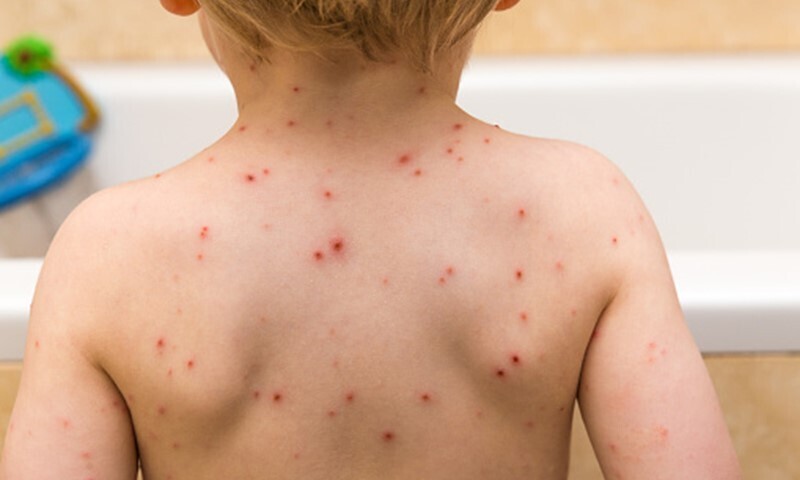
You've tried every acne product on the market. Benzoyl peroxide, salicylic acid, retinoids—nothing works. The tiny, uniform bumps covering your forehead and cheeks persist despite months of diligent treatment. Here's the frustrating truth: those bumps might not be acne at all. Fungal acne affects millions who unknowingly make their condition worse with every traditional acne treatment they apply.
The Identity Crisis
Fungal acne isn't actually acne. Dermatologists call it Malassezia folliculitis or pityrosporum folliculitis—an overgrowth of yeast that naturally lives on human skin. When this yeast proliferates within hair follicles, it triggers inflammation that looks remarkably similar to bacterial acne.
The visual similarity creates diagnostic nightmares. Both conditions produce small bumps, both appear in oily areas, and both cause frustration. But the underlying causes differ completely, which means treatments that clear bacterial acne do nothing for fungal overgrowth—and often make it worse.
Furthermore, the skincare products designed to treat acne frequently feed fungal acne. Many moisturizers, serums, and even acne treatments contain fatty acids and oils that serve as food for Malassezia yeast. The more aggressively you treat what you think is acne, the more you're feeding the actual problem.
"Fungal acne is one of the most commonly misdiagnosed skin conditions I see," explains Dr Shamsa Kanwal, M.D., consultant dermatologist and expert contributor to MyHSTeam. "Patients come to me after years of failed acne treatments, feeling completely defeated. When I explain that their bumps aren't bacterial acne at all, there's often relief mixed with frustration—relief that there's an explanation, frustration that they've been treating the wrong condition. The good news is that once properly diagnosed, fungal acne responds quickly to appropriate treatment."
Spotting the Difference
Distinguishing fungal acne from bacterial acne requires attention to specific characteristics that set them apart.
Fungal acne appears remarkably uniform. The bumps are similar in size, typically small and dome-shaped, clustered together in itchy patches. Bacterial acne varies more—different-sized pimples, blackheads, whiteheads, and cysts mixed together.
Location provides clues. Fungal acne favors the forehead, chest, upper back, and shoulders—areas with high sebum production and prone to sweat accumulation. While bacterial acne also appears in these areas, fungal acne rarely affects the lower face and jawline, where hormonal acne concentrates.
Also, itching distinguishes the conditions. Fungal acne frequently itches, sometimes intensely. Bacterial acne may feel tender or painful, but rarely produces the persistent itchiness characteristic of yeast overgrowth.
Treatment response offers the clearest diagnostic signal. If months of conventional acne treatments produce no improvement—or worsening—fungal involvement should be suspected.
What Triggers the Overgrowth
Malassezia yeast exists on everyone's skin without causing problems. Certain conditions tip the balance toward overgrowth and follicular invasion.
Humidity and sweat create ideal yeast environments. Athletes, gym-goers, and people living in tropical climates face an elevated risk. Wearing sweaty clothes for extended periods after workouts provides perfect conditions for proliferation.
Keep in mind that antibiotics disrupt the skin's bacterial balance, sometimes allowing yeast to flourish unopposed. Patients developing persistent bumps during or after antibiotic courses should consider fungal involvement.
Occlusive products trap moisture and sebum against the skin, warming the environment and providing yeast nutrients. Heavy moisturizers, oils, and even certain sunscreens can trigger or worsen fungal acne in susceptible individuals.
Immunosuppression increases vulnerability. Stress, illness, and medications affecting immune function can permit yeast overgrowth that healthy immunity would control.
"Understanding triggers helps patients prevent recurrence after successful treatment," explains Aja Chavez, Executive Director, Mission Prep Healthcare. "I always discuss lifestyle factors—showering promptly after sweating, choosing fungal-safe skincare products, and wearing breathable fabrics. Treatment clears the current overgrowth, but prevention requires addressing what allowed it to happen in the first place."
The Treatment Turnaround
Treating fungal acne requires antifungal approaches rather than antibacterial ones. The shift in strategy produces rapid results once the correct diagnosis is made.
Antifungal cleansers containing ketoconazole, selenium sulfide, or pyrithione zinc attack yeast directly. Many patients find relief using dandruff shampoos as face and body washes—the same antifungal ingredients that control scalp yeast work equally well elsewhere.
Take note that topical antifungal creams provide targeted treatment for stubborn areas. Over-the-counter options like clotrimazole and miconazole offer accessible first-line therapy. Prescription-strength options address resistant cases.
Oral antifungal medications become necessary for widespread or treatment-resistant fungal acne. Short courses of fluconazole or itraconazole can clear severe cases that topical treatments cannot control.
The Skincare Overhaul
Clearing fungal acne means nothing if your skincare routine keeps feeding the yeast. Product reformulation becomes essential for lasting results.
Oils and fatty acids require scrutiny. Ingredients like lauric acid, palmitic acid, and oleic acid nourish Malassezia. Many "non-comedogenic" products contain these yeast-feeding ingredients because they don't clog pores in the traditional sense—they cause problems through a different mechanism entirely.
Plus, fermented ingredients popular in Korean skincare can worsen fungal acne. Galactomyces and Saccharomyces ferment filtrates, while beneficial for some skin concerns, may aggravate yeast-prone skin.
Simple, fungal-safe routines outperform elaborate regimens. Gel cleansers, lightweight gel moisturizers, and mineral sunscreens provide essential care without feeding the problem. The minimalist approach that frustrates product enthusiasts often proves most effective for fungal acne sufferers.
The bumps that wouldn't respond to anything finally have an explanation—and a solution. Fungal acne requires recognition before it can be treated, but once identified, clearing becomes straightforward.

Reviewed by