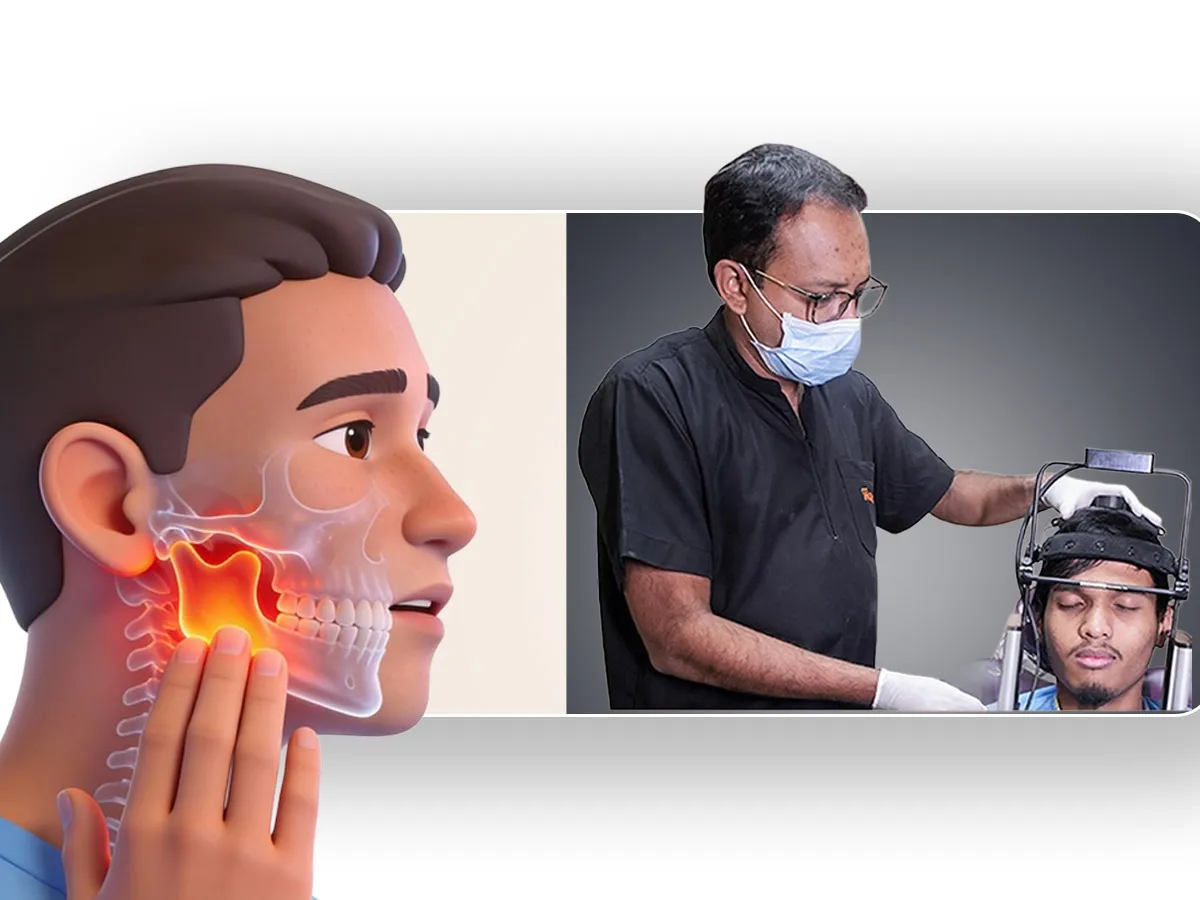
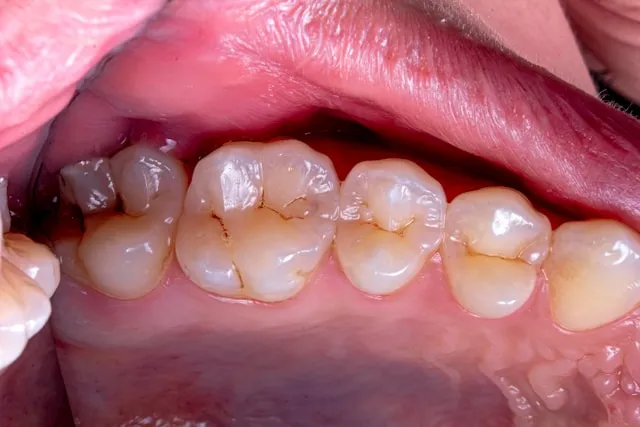
Modern endodontic care is now more exact, easier, and focused on results than most people think. When you have a root canal or a hard retreatment, knowing the steps you go through—from finding out what is wrong to getting better—can ease worry and help you work with the care plan. Here is a clear guide of what usually takes place in special endodontic treatment.
1. Initial Consultation & Digital Imaging
Your journey starts with a full review. An expert endodontist new york looks at your symptoms and will check through clinical tests, such as feeling the area, tapping it, and checking for heat. They also use digital radiography. Digital X-rays give us clear pictures and use less radiation; they can show the results right away.
In more hard cases, a CBCT scan - Cone Beam Computed Tomography may be used to make a 3D view of the tooth and nearby parts. This can help the dentist find hidden canals or infections around the root that normal X-rays might not show.
2. Microscopic Diagnosis & Treatment Planning
Endodontists often use dental operating microscopes to look inside the tooth. The microscope gives them a clear view and helps them see small details. This makes it easier to find all the tiny or hard-to-find canals. It also helps them know what is wrong with the tooth.
At this step, your provider will talk with you about a treatment plan made just for you. If you are seeing an endodontist, they will also go over what you can expect, any risks, and how long it may take.
3. Local Anesthesia & Tooth Isolation
Before starting the treatment, local anesthesia is given. This helps you feel no pain. When the area gets numb, the tooth is kept separate by a rubber dam. The rubber dam keeps the spot dry and stops anything from getting into it.
This step is very important to keep everything clean while you do the work.
4. Access & Canal Cleaning
A small opening is made in the tooth. This lets the endodontist reach the infected pulp chamber; dentists use special tools and washing liquids like sodium hypochlorite to clean out the bad tissue in the tooth. Then, they wash and clean the root canals.
This step needs a lot of hand skills. It also needs help with scanning and pictures to guide you.
5. Canal Shaping & Obturation
Once the canals are clean, they are shaped so a filling can go in. The most common thing used is gutta-percha. It is safe to use in the body. It seals the canals and stops germs from getting back in.
A sealer is also put on to fill small spaces. It helps make sure there is a tight seal.
6. Temporary or Permanent Restoration
After getting the tooth filled, the dentist will close up the hole with a filling that can be there for a short time or stay for good. Many times, your dentist will put in a core build-up and crown after this. This helps the tooth get back its shape and how it works.
This step is very important for the long-term strength of your teeth. It matters a lot in molars that get high chewing forces.
7. Post-Treatment Evaluation & Follow-Up
You might have a visit planned soon to check how you are healing in that recovery process. An X-ray will help show if the infection is going away and if the bone around it is growing back to normal.
Recovery Tips - First 48 Hours
Diet
-
Eat soft foods like yogurt and soups.
-
Do not chew food on the side that was treated.
-
If your teeth feel sore, skip very hot or cold foods.
Pain Management
-
It is normal to feel mild pain; use the pain medicine your doctor gave you, or you can get some from a store.
-
Do not put aspirin right on your gums, as it can make them feel even worse.
-
Put a cold pack on the outside of your mouth if there is swelling.
Oral Care
-
Keep brushing and flossing, but do it gently.
-
Do not rinse or spit hard right after the treatment.
Activity
-
You can get back to your normal things, but do not do hard work or heavy exercise for the first 24 hours.
Conclusion
Specialized endodontic care follows clear steps based on facts. The goal is to get rid of the infection and keep your tooth. The steps use advanced imaging and very careful work. After treatment, they make sure your tooth is strong again. Each part of this helps your tooth last longer.
When you work with a skilled endodontist new york, you know you are getting top care. They will help with quick pain relief and also keep your mouth healthy for a long time.

Reviewed by