Living with ongoing pain or inflammation can slowly take over daily life. It affects how people move, sleep, and stay active. For decades, treatment followed a familiar cycle. Medication reduced symptoms. Steroid injections eased flare-ups. Surgery became the last step when joints continued to fail.
Across Chicago and the surrounding Chicagoland area, that cycle is starting to shift. Patients and physicians are exploring care that looks beyond short-term relief. The focus is moving toward damaged tissue itself, not just the pain it creates. Stem cell–based care has become a part of that change, especially in orthopedic and joint-focused treatment.
Why Pain and Inflammation Treatment Is Changing in Chicago
Many traditional treatments help manage discomfort, but they often have limits. Anti-inflammatory drugs, for instance, may reduce swelling, yet their effect wears off. Steroid injections can calm pain, but repeated use may weaken tissue over time. Surgery helps some patients, though recovery and outcomes vary.
Because of this, patients in Chicago are seeking options that better fit long-term goals. Many want to stay active without repeated procedures or extended downtime. That demand has opened the door for regenerative approaches that focus on improving joint health rather than chasing symptoms.
How Stem Cell Therapy Targets the Source of Pain
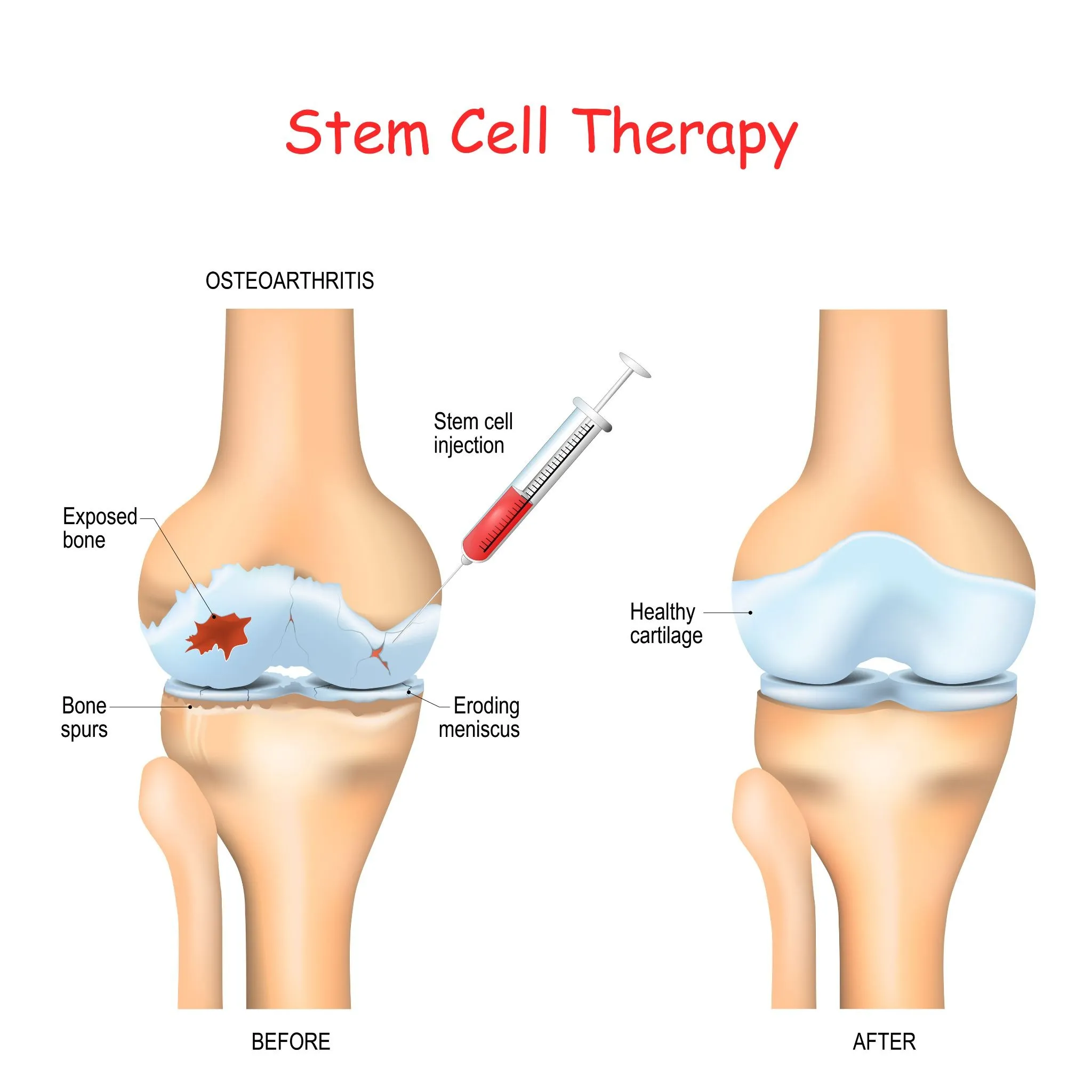
Pain usually begins where tissue is irritated or damaged. Stem cell–based treatments are designed to act at that level. Adult stem cells release signals that help regulate inflammation and support tissue repair within joints, tendons, and cartilage.
This changes how care is approached. Instead of blocking pain signals, treatments aim to improve the joint environment itself, though long-term effectiveness remains under study. For patients considering stem cell therapy Chicago clinics now offer, the appeal often lies in this shift. Over time, in some cases, addressing the source of irritation may help reduce the need for repeated injections or escalating medication use.
While the FDA has approved stem cell treatments for certain blood disorders, stem cell therapy for joint and orthopedic conditions remains investigational. These procedures are offered at specialized clinics as research continues into their long-term effectiveness and safety.
Conditions Seeing the Biggest Impact So Far
Certain conditions are driving most of the interest in regenerative orthopedic care.
Degenerative osteoarthritis is a major focus. According to the U.S. Centers for Disease Control and Prevention, about 33 million adults in the United States live with osteoarthritis. Knees, hips, shoulders, and ankles are common problem areas, especially when pain persists despite standard care.
Cartilage defects from injury or repetitive stress are another area of research focus. These cases differ from widespread arthritis and often involve localized damage. Treatments aim to support cartilage health while reducing joint irritation.
Inflammatory conditions such as rheumatoid arthritis are also being studied. It's estimated that about 1.3 million U.S. adults have rheumatoid arthritis. While stem cell treatment doesn't replace medical management, research continues into how cellular therapies may help support inflammation control alongside existing care.
Once a condition is identified, the next step becomes deciding how the treatment itself is built.
Where the Treatment Cells Come From
The source of treatment cells plays a direct role in how therapy is planned.
Bone Marrow-Derived Cells
Bone marrow is one of the most common sources used in orthopedic care. A small sample is collected, usually from the pelvic bone, then processed to concentrate adult stem cells and supportive cells.
This option is often selected for joint and spine conditions. Bone marrow has a long history in musculoskeletal research, which helps guide its use in regenerative therapy treatments.
Fat Tissue-Derived Cells
Fat tissue is another source of adult stem cell material. Like bone marrow, it contains cells that may support tissue repair.
Physicians may consider this option based on joint condition, patient health, and treatment goals. Screening helps determine which source is most appropriate for each case.
What the Treatment Process Looks Like for Patients
 Treatment begins with a detailed evaluation. Medical history and imaging are reviewed to confirm the source of pain. X-rays or MRI scans help rule out conditions that wouldn't be appropriate for regenerative care.
If a patient qualifies, cells are collected and prepared. The injection is guided by imaging to ensure accurate placement. Most procedures are done on an outpatient basis.
Recovery varies. Some patients notice changes within weeks, while others improve over several months. Follow-up visits help monitor progress and adjust activity levels as healing continues. Results are not guaranteed, and response to treatment varies by individual.
Why Major Medical Centers Like Chicago Are Exploring This Type of Care
Chicago supports a strong medical ecosystem. The region offers advanced imaging, orthopedic specialists, and regulated clinical settings that support safe regenerative care.
Board-certified physicians play a key role in patient selection and treatment planning. By combining clinical expertise with modern diagnostics, providers can tailor care to each patient's condition rather than applying a single approach to everyone.
Research and Clinical Trials in the Area
Research continues to shape how these therapies are used. Nationwide, more than 2,400 active clinical trials involving regenerative medicine and cell-based therapies have been underway over the last 3 years. This reflects ongoing work to refine safety standards and outcomes.
Chicago-area institutions contribute by studying patient results and helping establish clearer treatment guidelines. That research helps distinguish evidence-based care from unsupported claims.
How Orthopedic Stem Cell Therapy Differs From Other Cellular Treatments
Not all cell-based therapies serve the same purpose. Orthopedic stem cell treatment focuses on joints, tendons, and cartilage using a patient's own cells to potentially support repair. This use, however, remains investigational and is not FDA-approved.
Stem cell transplant care has a different role. An autologous stem cell transplant may be used in blood disorders such as multiple myeloma. These procedures aim to restore bone marrow function after chemotherapy and take place in hospital settings under strict protocols. This type of stem cell transplant is FDA-approved.
Cellular therapies are also being studied for neurological conditions. Research includes multiple sclerosis, Parkinson's disease, and Alzheimer’s disease. These studies focus on nerve tissue rather than joints.
Keeping these areas separate helps avoid confusion. Joint-focused care follows a very different path than neurological or blood-related treatments.
Choosing a Stem Cell Provider in Chicago
Provider experience and oversight matter. Patients should look for board-certified physicians who offer clear explanations and realistic expectations. They should also verify that providers are conducting treatments under proper research protocols or are transparent about the investigational nature of the therapy.
Reputable Chicago stem cell therapy clinics should also explain how cells are sourced, how procedures are performed, and what outcomes are reasonable. Education and transparency are key parts of safe care.
A New Direction for Chicago Pain and Inflammation Care
Pain and inflammation care in Chicago is moving away from temporary fixes. Treatment is shifting toward supporting joint health and tissue function over time. Stem cell–based approaches offer another option for patients who want alternatives to repeated injections or surgery. With continued research and experienced medical oversight, informed decisions remain the foundation of effective treatment.

Reviewed by