Finding a dentist is easy. Finding the right one takes a little more thought. The difference between a dental practice that fits your life and one that does not show up in ways that matter: whether you actually make and keep appointments, whether you feel comfortable asking questions, and whether your oral health stays on track over time.
This guide walks through what to look for, what questions to ask, and how to evaluate your options so that the dentist you choose is one you will stick with.
Start With the Basics: Location, Hours, and Availability
Convenience drives consistency. A dentist who is inconvenient to reach is one you will reschedule and eventually stop seeing altogether. Before evaluating anything else, get clear on the practical requirements.
Location matters more than people give it credit for. A practice close to home, work, or your children's school removes some difficulties that cause appointments to get skipped. In suburban markets like San Ramon and the broader Contra Costa County area, there are enough options that proximity should be a real filter, not an afterthought.
Hours are equally important. If you work standard business hours, a practice that only operates Monday through Friday, 9 to 5, limits your ability to get seen without taking time off. Many practices now offer early morning, evening, or Saturday appointments. It is worth asking specifically whether those slots are regularly available or only offered occasionally.
New patient availability is the third practical consideration. Some practices have months-long waits for new patients. If you need care soon, or simply want to get established before something comes up, ask directly how quickly you can be seen for an initial exam. A dentist in San Ramon who can get you in within a reasonable timeframe is more useful than one whose reputation is excellent but whose schedule is closed for the foreseeable future.
Insurance, Cost, and Payment Options
Dental care is a significant household expense, and understanding the financial side before your first appointment avoids unpleasant surprises. A few things to clarify upfront:
In-network vs. out-of-network. In-network providers have negotiated rates with your insurer, which means lower out-of-pocket costs. Out-of-network practices can still be used with most PPO plans, but you will typically pay a higher share. Ask the practice whether they are in-network with your specific plan, not just whether they accept your insurer generally.
What preventive care costs. Most dental insurance covers routine cleanings, exams, and X-rays at or near 100 percent. Confirm what your plan covers for these visits and whether the practice bills in a way that maximizes your benefits.
Payment plans and financing. For patients without insurance or with coverage gaps, ask whether the practice offers in-house payment plans or works with third-party financing options. Many do, and it makes a real difference for larger treatment costs.
Transparency on treatment costs. A practice that provides clear, itemized treatment estimates before starting work is one that respects your ability to make informed decisions. If you ask for a cost breakdown and get vague answers, that is worth noting.
Services Offered: Generalist vs. Comprehensive Practice
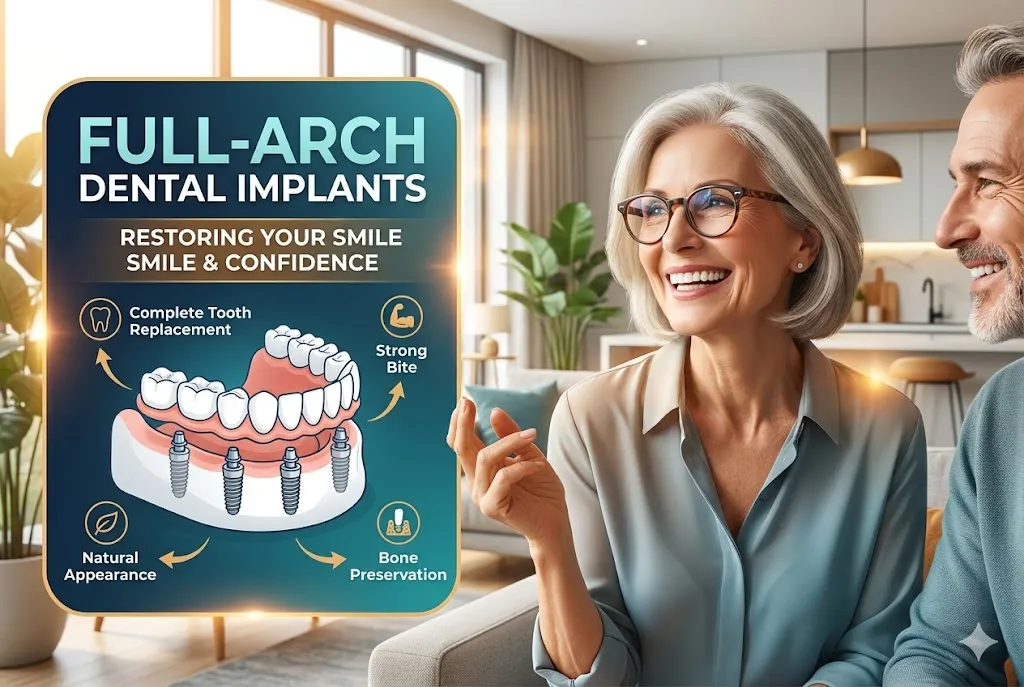
Not all dental practices offer the same range of services. Some focus on general and preventive care and refer out for everything else. Others offer a broader scope that includes cosmetic work, orthodontics, implants, and restorative procedures under one roof.
Neither model is inherently better, but the right choice depends on your needs. If your dental health is straightforward and you primarily need cleanings, exams, and the occasional filling, a general practice focused on those services is fine. If you anticipate needing orthodontic treatment, cosmetic work, or restorative procedures like crowns or implants, a practice that handles those in-house reduces the number of providers you need to manage.
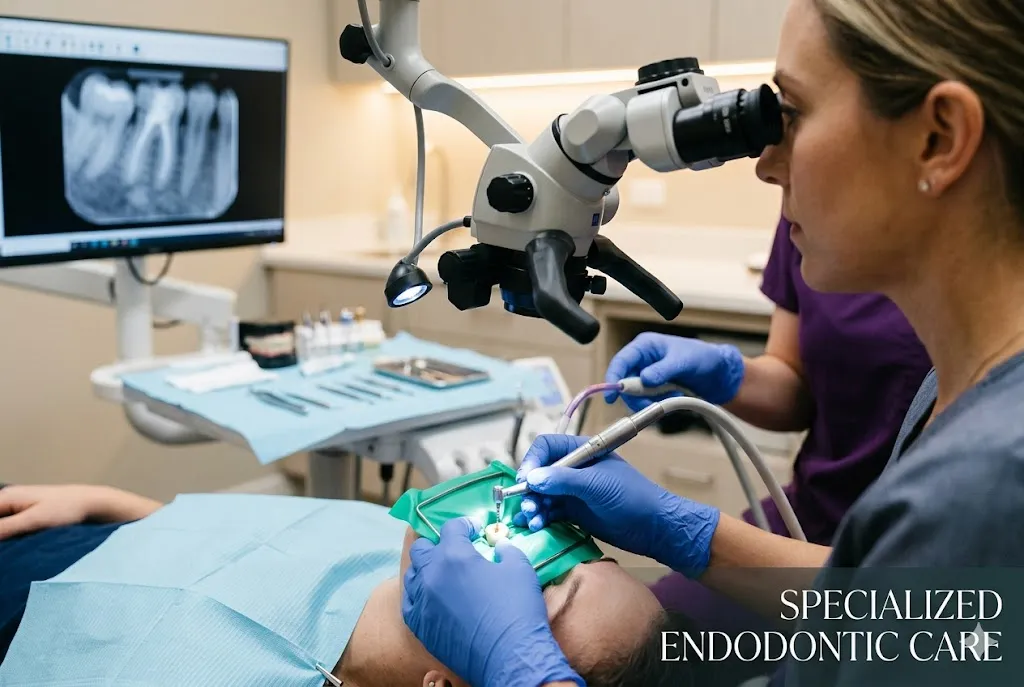
It is also worth asking about technology. Practices that use digital X-rays expose patients to less radiation than traditional film. Intraoral cameras allow dentists to show patients exactly what they are seeing. Same-day crown technology means restorations can be completed in a single visit. These are not gimmicks; they affect the quality, efficiency, and comfort of your care.
How to Evaluate a Dentist's Credentials and Reputation
Credentials are a baseline. Every licensed dentist in California has completed dental school and passed national and state board exams. What distinguishes providers beyond that baseline includes continuing education, areas of focus, and the judgment that comes from experience.
A few reliable ways to evaluate a dentist before your first appointment:
Google and Yelp reviews. Look for patterns rather than individual reviews. A dentist with 150 reviews averaging 4.7 stars tells you more than one five-star review and nothing else. Pay attention to how the practice responds to negative feedback.
The practice website. A well-maintained website that clearly explains services, introduces the dental team, and provides practical information about appointments signals a practice that communicates well with patients.
Word of mouth. Recommendations from neighbors, coworkers, or people in local community groups who share your priorities carry real weight. Ask specifically what they value about the practice, not just whether they like it.
Your first appointment. The initial exam is itself an evaluation. Does the dentist explain findings clearly? Do they present treatment options or push a single path? Do you feel heard? Your gut read from that first visit is data.
What the First Appointment Should Tell You
A new patient exam is more than a cleaning and a set of X-rays. It is an opportunity to assess whether this practice is somewhere you want to return. A thorough first exam includes a review of your medical and dental history, a full mouth examination, X-rays appropriate to your situation, and a conversation about any concerns you have.
What to watch for during that visit:
Does the dentist take time to explain what they are finding, or do they move through the exam quickly without narration? Are treatment recommendations explained with a clear rationale, or presented as a list of things that need to be done? Is there any pressure to schedule or commit to work that same day?
A dentist who communicates clearly, answers questions without impatience, and presents options rather than directives is one who respects the patient relationship. That dynamic matters because dental care is ongoing. You are not choosing a provider for a single visit; you are choosing someone you will work with for years.
Choosing a Dentist for Your Family
Families have different considerations than individual patients. If you have children, the practice needs to be comfortable and capable with pediatric patients. Not every general dentist enjoys working with young children, and it shows. Ask whether the practice sees patients of all ages and how they approach first visits with kids.
Consistency matters for families. Having everyone seen at the same practice simplifies scheduling, consolidates records, and builds a relationship where the dental team knows each family member's history. A practice that can grow with your family, seeing children through adolescence and into adulthood, is worth prioritizing if that stability is important to you.
Making the Final Decision
The right dentist is the one who fits your practical requirements, works within your financial situation, offers the services you need, and communicates in a way that makes you comfortable asking questions and following through on care.
In a market like San Ramon, where there are multiple qualified practices to choose from, those factors narrow the field quickly. Do the practical research first, schedule a new patient exam with your top choice, and let that first visit confirm or redirect your decision. The best dental relationship is one you maintain consistently, and finding a practice you actually want to return to is how that starts.

Reviewed by