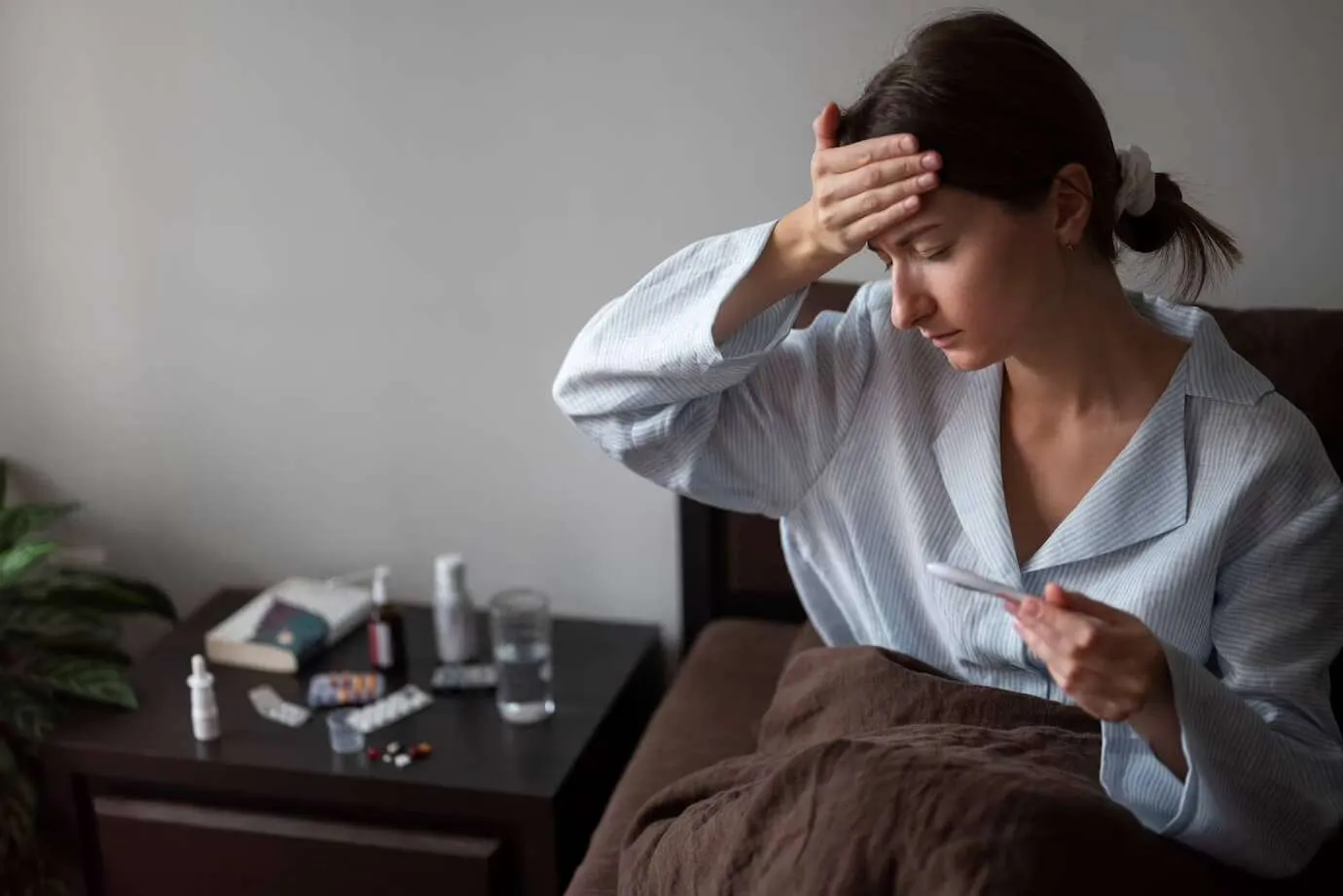
If you’ve ever looked after someone who’s sick for more than a few days, you know how exhausting it is, not just for the unwell person, but for the entire family. Hospitals aren't always the answer. In fact, sometimes they're the last thing someone needs.
That’s why more people are bringing care home. A trained nurse at home can do a lot of what hospitals do—minus the cold floors, long waits, and strange food. No hassle, no travel, no fluorescent lights flickering all night. Just proper help, in your own space.
Who’s this for?
Honestly, it could be anyone. A parent who had surgery and needs help sitting up. A grandparent who can’t move much on their own. A cousin who’s just had a baby and needs postnatal care. Someone going through chemo who needs daily support. A bedridden relative who needs cleaning, feeding, or help with basic movements, someone who needs injections at home. The list is long.
Some people only need a nurse for a week. Others for months. Some need support every day. Others, just now and then. It depends. But when going to the hospital every time isn’t practical, this is often the better way.
So, what does a nurse at home do?
They’re not just there to pass pills and walk out. A proper nurse handles a bit of everything, depending on the patient.
Here’s the sort of work they usually do:
● Checking blood pressure, sugar levels, and temperature
● Giving injections
● Changing dressings on wounds
● Managing IV lines, feeding tubes, and catheters
● Bathing or changing the patient, especially if they can’t move much
● Helping the patient shift positions to avoid sores
● Keeping an eye on pain, sleep, and appetite
● Writing down things the doctor needs to know
They’re also the one who spots trouble early. If something’s off, if the patient’s breathing changes, if a wound looks worse, they’ll notice before anyone else does.
Families need this
Caring for someone full-time is heavy work. You can love the person with all your heart and still feel burnt out. And not everyone has medical training. Not everyone knows how to lift someone without hurting them. Or how to clean a wound without making it worse.
Having a trained nurse around means you can take a breath. You can sleep. Eat. Work. You stop feeling like you’re the only one holding it all together. You can go back to being the daughter, son, partner, or friend, not the full-time nurse.
But is it safe?
It’s as safe as you make it. Make sure the nurse is trained. Ask if they’ve worked with similar patients. If it’s a serious condition, they should have proper clinical experience. Some families do a short trial shift to see if it feels right. And trust your gut, if something feels off, find someone else.
Also, make sure there’s always a doctor they can call if needed. Nurses are trained, but they’re not magicians. They need backup, too.
Money talk
Let’s not act like cost doesn’t matter. It does. The price depends on how long the nurse stays each day, what kind of care is needed, and how experienced they are. A nurse who visits for an hour will charge less than someone who stays 12 hours a day. And if it’s skilled medical care, not just basic support, it’ll cost more.
But if you sit down and compare the cost of home care with hospital stays, ambulance fees, room rent, daily visits, and meals, it often turns out that nursing care at home saves money, time, and stress. Plus, you don’t need to pack a bag or wait for visiting hours.
What to sort out before they start
● Keep the medical records somewhere easy to find
● Make space for the nurse to work
● Set a small table with gloves, sanitiser, cotton, thermometers, etc
● Write down the medicine timings so everyone’s clear
● Keep a notebook or use your phone to track any changes
Also, check how the patient feels. If they seem tense or upset, try someone else. A nurse could be brilliant on paper but still not be the right fit.
It’s not a luxury anymore
People used to think having a nurse at home was only for the rich or big health issues. That’s changed. Now it’s more about what makes sense.
Is the patient stable but still needs medical help? Is the hospital making things worse instead of better? Do you want to give care without losing your health? Then this is probably the better choice.
Final thoughts, no fluff
Sick people don’t always need machines and monitors. Often, they just need rest, clean sheets, someone who knows what they’re doing, and someone they trust nearby.
Nursing care at home gives you that. It brings the hospital to your doorstep, but leaves the stress at the door.
It won’t fix everything. But it makes things easier. For the patient. For the family. For everyone trying to make the best of a difficult time.
And sometimes, that’s all you need.

Reviewed by