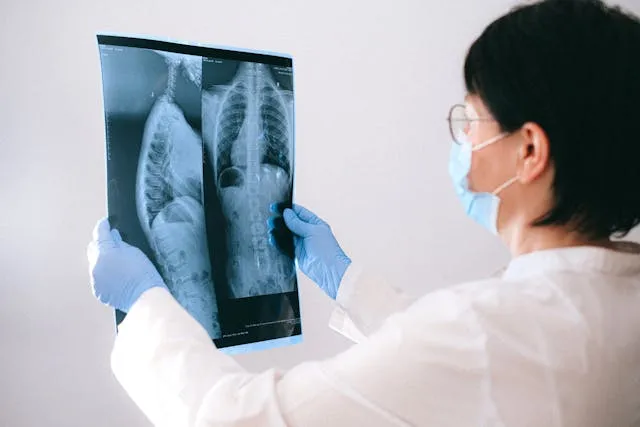
Imaging solutions play a vital role in modern healthcare, revolutionizing how physicians diagnose and treat various conditions. From X-rays to MRI scans, imaging technologies have proven invaluable tools in providing accurate diagnoses and effective therapies.
In this article, we'll look at how medical imaging solutions play an instrumental role in diagnosis and treatment.
The Importance of Accurate Diagnosis
Proper diagnosis forms the cornerstone of successful medical treatments. Misdiagnoses are a problem even nowadays with all the modern tools and equipment labs and hospitals have. On average, there are 7 million people who are wrongfully diagnosed in the US alone, and hopefully, with major advancements and new emerging techniques, this problem will be put to rest.
Thanks to advanced medical imaging solutions such as CT scans and ultrasounds, healthcare providers can accurately probe into anatomical structures inside our bodies, discovering anomalies with pinpoint precision.
Medical imaging provides invaluable evidence of hidden tumors, delicate fractures, and complex internal injuries. But, its purpose goes far beyond this. Serving not just to validate their existence but as an invaluable compass illuminating their extent, and location and providing informed treatment strategies moving forward.
Advancements in Imaging Technology
The landscape of medical imaging has undergone a rapid transformation in recent years, propelled by a wave of groundbreaking advancements. Technologies like 3D imaging, functional MRI (fMRI), and PET scans have emerged as veritable marvels, offering an intricate glimpse into the inner workings of the human body's functions and anatomical structures.
These cutting-edge tools transcend mere diagnostic capabilities; they are catalysts for precision and personalization in treatment strategies, meticulously crafted to align with the distinctive requirements of each patient. Take, for instance, the remarkable utility of fMRI, which delves deep into mapping brain activity, revolutionizing the landscape of neurosurgical planning and elevating the standards of monitoring treatment responses in the intricate realm of neurological disorders.
Imaging-Guided Interventions
Medical imaging goes well beyond simple diagnosis of diseases and injuries to assisting minimally invasive surgeries with unparalleled precision and ease. Image-guided biopsies, catheter-based treatments, and planning radiotherapy thanks to modern imaging modalities all owe much of their success and efficacy to its guidance.
Precision imaging tools serve as beacons of accuracy, pinpointing specific target areas in the body with precision. This transformative approach not only reduces surgical interventions and associated discomfort but also promotes healing by directly applying therapies to affected areas with pinpoint accuracy, heralding in an age of patient-centric care and medical excellence.

Monitoring Treatment Progress
Medical imaging plays an integral part in tracking treatment progress and dynamically adapting therapeutic strategies as necessary.
Follow-up scans act as vigilant sentinels, carefully monitoring any small changes to tumor sizes or characteristics over time, assessing interventions such as chemotherapy or radiation therapy treatments' efficacy, as well as alerting clinicians of any unexpected developments or complications along the way.
Real-time feedback loops offer healthcare providers invaluable insights that enable them to fine-tune treatment protocols precisely, orchestrate a care program that delivers optimal patient results, and truly represent patient-centric excellence within modern medicine.
Future Trends and Innovations
Medical imaging offers endless promise as new advances unfold through research and development. However, AI algorithms stand at the forefront of technological progress, heralding a new age of precision and efficiency for healthcare providers by augmenting diagnostic accuracy, automating tedious image analysis tasks, and streamlining workflow processes seamlessly for optimal patient care delivery.
Molecular imaging and digital pathology technologies continue their astonishing rise, offering unique insight into human health that would otherwise remain unavailable to medicine. These cutting-edge modalities promise to revolutionize diagnostic and treatment paradigms with their unprecedented insights.
From unraveling molecular signatures of disease to exploring digital landscapes of pathology, advancements have the power to completely transform how we diagnose and treat various medical conditions. Medical imaging's future represents more than just its promise; it represents our relentless quest for excellence and innovation within healthcare.
Bottom Line
Medical imaging solutions play a pivotal role in helping healthcare providers make accurate diagnoses, guide interventions, monitor the progress of treatment plans, and spur future innovations, improving patient outcomes while shaping the modern healthcare landscape. With technology continuing its exponential development path, adopting medical imaging into clinical practice will only bring further advances to diagnostics and personalized patient care services.

Reviewed by