The Canadian Dental Care Plan (CDCP) is designed to help people afford essential dental treatments. Many individuals and families struggle with the high cost of dental care, especially when it comes to procedures like crowns. That is why understanding how this plan works is very important.
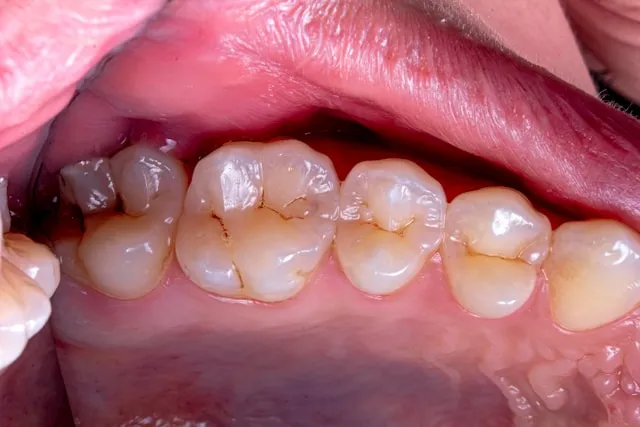
Dental crowns are used to protect weak or damaged teeth. They are also used after root canals or when a tooth is badly broken. However, crowns can be expensive, which makes coverage details a key concern for patients.
In 2026, more people are expected to benefit from this program, but not every treatment is fully covered. Knowing what is included and what is not can help you plan better and avoid surprise costs.
CDCP Coverage Explained in Simple Terms
CDCP coverage helps reduce the cost of basic and some advanced dental treatments. It is not always free care, but it can significantly lower what you pay.
Here’s how it works in a simple way:
-
The plan pays a percentage of the treatment cost
-
The percentage depends on your income level
-
Some treatments require approval before they are covered
-
Not all dental services are included
For example, basic services like cleanings may be covered more easily, while major procedures like crowns may have conditions.
CDCP Crown Coverage: What Is Included
When it comes to cdcp crown coverage, things are a bit more detailed. Crowns are considered a major dental procedure, so they are not always automatically covered.
Situations Where Crowns May Be Covered
You may get support for a crown if:
-
Your tooth is severely damaged
-
A filling cannot fix the problem
-
You had a root canal and need protection
-
The tooth is at risk of breaking
Important Conditions to Know
-
Pre-approval may be required before treatment
-
Your dentist must show that the crown is medically necessary
-
Cosmetic crowns are usually not covered
This means you cannot simply request a crown for appearance reasons and expect it to be paid for.
How Much of the Cost Does the Plan Cover?
The amount covered depends on your income and eligibility category. Here is a simple breakdown:
-
Lower income individuals: Higher percentage covered
-
Middle income individuals: Partial coverage
-
Higher income within eligibility: Lower percentage covered
Even if you qualify, you may still need to pay:
-
A portion of the treatment cost
-
Additional fees not included in the plan
-
Costs if your dentist charges above the approved fee guide
This is why it is always important to ask your dentist for a cost estimate before starting treatment.
When CDCP Coverage for Crowns Might Not Apply

There are cases where cdcp coverage may not include crowns. Understanding these situations can save you time and money.
Common Exclusions
-
Cosmetic improvements
-
Replacing a crown that is still functional
-
Patient preference instead of medical need
-
Treatments done without approval (if required)
Other Limitations
-
Waiting periods may apply
-
Coverage may be limited to certain materials
-
Frequency limits may restrict how often crowns are covered
For example, if you recently received a crown, you may not be eligible for another one soon.
Steps to Get Crown Treatment Covered
If you think you need a crown, follow these steps to increase your chances of approval:
Step-by-Step Process
-
Visit your dentist for an examination
-
Get a proper diagnosis and treatment plan
-
Ask if the crown qualifies under cdcp crown coverage
-
Submit documents if pre-approval is needed
-
Wait for confirmation before starting treatment
Tips for Better Approval
-
Choose a dentist familiar with the CDCP system
-
Keep all dental records and reports
-
Follow your dentist’s recommendations
This process helps ensure that your treatment is approved and partially covered.
Benefits of Understanding Your Coverage
Knowing your coverage details gives you several advantages:
-
Helps you plan your budget
-
Reduces unexpected dental bills
-
Allows you to make better treatment decisions
-
Gives you confidence when discussing options with your dentist
Many patients skip this step and end up paying more than necessary.
Smart Ways to Manage Dental Costs
Even with coverage, dental care can still be costly. Here are some smart strategies:
Practical Tips
-
Always request a cost estimate
-
Compare treatment options
-
Ask about alternative materials
-
Maintain good oral hygiene to avoid major treatments
Preventive Care Matters
-
Brush twice daily
-
Floss regularly
-
Visit your dentist for checkups
Preventing damage is always cheaper than fixing it later.
Common Misunderstandings About CDCP Coverage
Many people misunderstand how this plan works. Let’s clear up a few myths:
-
Myth: All dental treatments are free
-
Reality: Only partial coverage is provided
-
Myth: Crowns are always covered
-
Reality: Only medically necessary cases qualify
-
Myth: You don’t need approval
-
Reality: Some treatments require pre-authorization
Understanding these points can help you avoid confusion and disappointment.
Conclusion
Understanding cdcp coverage and how it applies to crowns is essential for anyone planning dental treatment in 2026. While the plan offers valuable financial support, it does not cover everything. Crowns, in particular, come with specific conditions and requirements.
By learning how cdcp crown coverage works, you can make smarter decisions, avoid unnecessary costs, and get the care you truly need. Always consult your dentist, ask questions, and confirm coverage details before starting any major procedure.
Being informed is the best way to protect both your smile and your budget.
Frequently Asked Questions
What is cdcp crown coverage?
It refers to financial support provided for dental crowns under the Canadian Dental Care Plan, usually for medically necessary cases.
Does CDCP coverage pay for full crown costs?
No, it usually covers only a portion of the cost. You may still need to pay the remaining balance.
Are cosmetic crowns included?
No, crowns done only for appearance are generally not covered.
Do I need approval before getting a crown?
In many cases, yes. Your dentist may need to submit a request for approval before treatment.
How can I check if I am eligible?
You can check eligibility through official government channels or ask your dental clinic for guidance.

Reviewed by