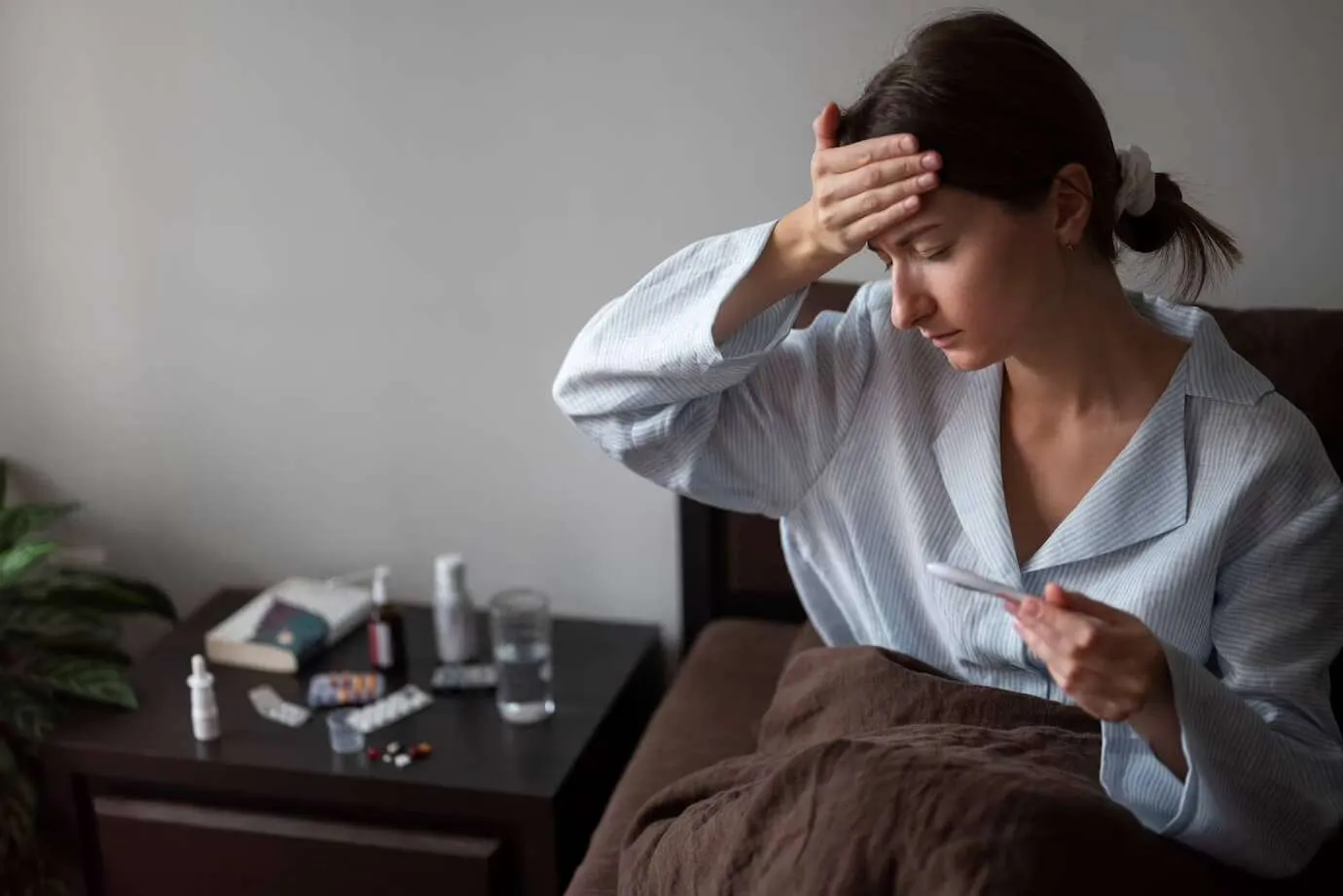
If you’re considering propranolol for anxiety, the single most important thing you want to know is this: how much is safe, and how much is too much?
Propranolol, a medication initially formulated for heart disease treatment, is also used to manage situational anxiety. It physically addresses rapid heartbeat and trembling, allowing people to cope with stressful situations better.
This guide gives you exact dosage limits, safety warnings, and doctor-backed guidelines so you can use propranolol effectively and safely, without risking side effects or overdosing.
Recommended Propranolol Dosage for Anxiety
Most doctors start patients with 10mg–20mg taken 30–60 minutes before anxiety-inducing events. If symptoms persist, doses can increase incrementally. The key is balancing effectiveness with minimal side effects.
-
Initial Dose: 10mg–20mg per event.
-
Maximum Single Dose: 40mg (4 tablets of 10mg).
-
Daily Limit: 80mg, split into smaller doses.
For example, someone giving a presentation might take 20mg beforehand. If anxiety spikes during the day, another 20mg dose could follow, staying within the 40mg daily cap. However, never self-adjust doses without medical guidance.
So what happens if 10 or 20 mg isn’t enough? Let’s answer the main question directly.
What Is the Maximum Dose of Propranolol for Anxiety?
The absolute maximum dose for anxiety rarely exceeds 80mg daily, though most patients find relief at lower levels. Compare this to doses for other conditions:
|
Condition |
Maximum Daily Dose |
|
Situational Anxiety |
80mg |
|
Migraine Prevention |
240mg |
|
High Blood Pressure |
320mg |
Anxiety requires lower doses because symptoms are intermittent. Taking more than 80mg daily may lead to fatigue or worsened circulation. Always discuss long-term use with your doctor to avoid dependency risks.
But not everyone needs the same dose. Here’s what influences your personal dosage.
Factors That Influence Dosage Adjustments
Your weight, symptoms, health conditions, and medications all matter.
1. Body weight
Heavier individuals may need slightly higher doses.
2. Symptom severity
-
Mild stage fright → 10 mg
-
Strong tremors or palpitations → 20–40 mg
3. Other medications
Some antidepressants, blood pressure drugs, and heart medications interact with propranolol.
4. Medical conditions
Propranolol may be risky if you have:
-
Asthma
-
COPD
-
Diabetes
-
Low blood pressure
-
Slow heart rate
So what actually happens if someone goes beyond the recommended limit?
Risks of Exceeding the Maximum Dose
Too much propranolol can dangerously slow your heart and drop your blood pressure.
Possible side effects include:
-
Dizziness or fainting
-
Extremely slow heart rate
-
Shortness of breath
-
Cold hands and feet
-
Extreme fatigue
-
Confusion
-
Blurred vision
Overdose symptoms can include:
-
Severe weakness
-
Trouble breathing
-
Loss of consciousness
If this happens, seek emergency care immediately. Let’s shift from risks to how to use propranolol correctly.
Propranolol’s Role in Anxiety Management
Using beta blockers like Propranolol permits people suffering from anxiety to block the physical symptoms of stress. Unlike antidepressants, Propranolol will not sedate the user, nor will it enhance or change one’s mood.
After taking Propranolol, the user will experience a lowered heart rate and reduced shaking, both ideal for public speaking and other forms of short-term anxiety.
For context, Generalized Anxiety Disorder (GAD) impacts 6.8 million U.S. adults—3.1% of the population. Yet, only 43.2% receive treatment. Propranolol offers a practical option for those hesitant to try long-term therapies.
Factors That Influence Dosage Adjustments
Your ideal dose depends on:
-
Body Weight: Higher body mass may require slightly higher doses.
-
Severity of Symptoms: Severe shaking or rapid heartbeats might need 40mg.
-
Other Medications: Drugs like blood thinners or antidepressants can interact.
-
Health Conditions: Asthma or diabetes may limit propranolol’s safety.
For instance, a 160-pound adult with mild stage fright may thrive on 10mg, while someone with chronic tremors might need 40mg.
Risks of Exceeding the Maximum Dose
Going beyond 80mg daily can trigger:
-
Low Blood Pressure: Dizziness or fainting.
-
Slow Heart Rate: Risk of arrhythmias.
-
Breathing Issues: Wheezing in asthma patients.
-
Fatigue: Impaired focus or drowsiness.
In rare cases, overdose symptoms include blurred vision or cold extremities. If this happens, seek emergency care immediately.
When to Use Propranolol for Anxiety
To get the most benefit:
-
Time It Right: Take tablets 30–60 minutes before stress events.
-
Avoid Alcohol: Both lower blood pressure, compounding dizziness.
-
Monitor Reactions: Track symptoms to adjust doses with your doctor.
Testing propranolol before major events prevents surprises. For example, take 10mg before a low-stakes meeting to gauge your response.
Alternative Treatments for Anxiety
If propranolol isn’t suitable, consider:
-
Therapy: Cognitive Behavioral Therapy (CBT) addresses mental symptoms.
-
SSRIs: For chronic anxiety, drugs like sertraline offer long-term relief.
-
Relaxation Techniques: Deep breathing reduces acute stress.
Discuss options with your doctor to create a tailored plan.
Propranolol vs. Other Anxiety Medications: Which Is Better?
Choosing between propranolol and alternatives like SSRIs or benzodiazepines hinges on symptom type, frequency, and health history. Propranolol shines for physical symptoms but doesn’t tackle obsessive worries. Comparatively, SSRIs address mental angst but take weeks to work.
Here’s how they stack up:
-
Mechanism: Propranolol blocks adrenaline; SSRIs boost serotonin; benzos slow brain activity.
-
Speed: Propranolol works in 30 minutes. Benzodiazepines act faster (15 minutes) but sedate. SSRIs require 4–6 weeks.
-
Physical vs. mental focus: Propranolol stops shaking; SSRIs reduce catastrophic thinking.
-
Side effects: Propranolol causes fatigue; SSRIs trigger nausea; benzos risk dependency.
-
Addiction potential: Propranolol isn’t addictive. Benzodiazepines have a high abuse risk.
-
Usage flexibility: Propranolol is taken as needed. SSRIs demand daily consistency.
How Often Can You Take Propranolol for Anxiety?
Most people take propranolol once before an event, but some may take it up to 2–3 times per day under medical supervision.
For performance anxiety, propranolol is usually taken:
-
Once per event
-
Sometimes twice in one day if there are multiple stressful situations
However:
-
You should not exceed 80 mg total per day
-
Doses should be spaced at least 4–6 hours apart
Example:
-
10:00 AM presentation → 20 mg
-
4:00 PM meeting → 20 mg
Total for the day: 40 mg (within safe limits)
Daily, long-term use is sometimes prescribed, but this is usually for other medical reasons, not simple performance anxiety.
Always follow your doctor’s dosing instructions, especially if you’re using propranolol more than occasionally.
Even when taken correctly, it’s important to recognize when the dose might be wrong for your body.
Can Propranolol Cause Weight Gain or Other Long-Term Side Effects?
Weight fluctuations and prolonged side effects are common concerns for anxiety sufferers prioritizing both mental and physical health. Propranolol’s impact on metabolism is minimal, but individual reactions vary.
-
Weight gain is rare but possible due to reduced physical activity from fatigue.
-
Long-term use may lower heart rate; regular monitoring prevents complications.
-
Chronic users report vivid dreams, but these rarely disrupt sleep quality.
-
Over the years, tolerance is uncommon—most maintain efficacy at consistent doses.
-
Hair loss is an infrequent, reversible side effect.
-
No evidence links propranolol to organ damage with proper dosing.
-
Sudden stoppage after years risks rebound high blood pressure—taper slowly.
How Does Propranolol Interact With Caffeine or Stimulants?
Many rely on coffee or ADHD medications daily, unaware of clashes with propranolol. Stimulants amplify adrenaline, countering propranolol’s calming effects.
-
Caffeine may reduce propranolol’s effectiveness, worsening shaky hands or fast heartbeats.
-
ADHD drugs like Adderall increase heart rate, negating propranolol’s benefits.
-
Limit coffee to 1–2 cups daily if taking propranolol regularly.
-
Energy drinks combine caffeine and sugar, heightening anxiety symptoms.
-
Nicotine (vaping/smoking) acts as a stimulant—avoid it before anxiety triggers.
-
Cold medicines with pseudoephedrine spike heart rate; opt for phenylephrine.
-
Always disclose stimulant use to your doctor before starting propranolol.
Final Thoughts
Propranolol can be a genuinely helpful option for people who struggle with the physical side of anxiety, especially in situations like public speaking, performances, exams, or important meetings. When used the right way, it can calm a racing heart, steady shaky hands, and help you feel more in control without making you feel sedated or unlike yourself.
Still, the dose really matters. Most people do well on 10 to 40 mg, and going beyond what your doctor recommends does not mean better results. It usually just means more side effects. Propranolol is not a cure for anxiety, but it can be a useful tool. The safest path is always to start low, test it calmly, and work with your doctor to find what truly works for you.
Never self-prescribe; consult a healthcare provider to establish a safe, effective regimen. Found this helpful? Share it with friends or family facing anxiety challenges.
Frequently Asked Questions
Can propranolol cause dependency?
No. Propranolol isn’t addictive, but sudden stoppage after long-term use may trigger rebound high blood pressure. Taper doses under medical supervision.
Is propranolol safe for seniors?
Yes, but older adults often need lower doses due to slower metabolism. Regular monitoring prevents complications.
Can I take propranolol with ibuprofen?
Occasional use is okay, but frequent ibuprofen may reduce propranolol’s blood pressure benefits. Consult your doctor.
Does propranolol affect sleep?
Some users report vivid dreams, but it doesn’t directly disrupt sleep cycles. Take it earlier in the day if bothered.
Can I drive after taking propranolol?
Yes. Unlike sedatives, it doesn’t impair alertness. However, monitor for dizziness initially.
Does propranolol help with exam anxiety?
Absolutely. Take 10mg–20mg 30 minutes before the exam to steady nerves and improve focus.
Are there dietary restrictions with propranolol?
Avoid grapefruit, which interferes with metabolism. Otherwise, no major restrictions.

Reviewed by